Bipartisan Criticism Mounts Against Pentagon Over National Defense Strategy Briefing
World Pulse Editorial — The WORLD PULSE editorial team covers international news, business, technology, AI, science, sport, culture and other subjects of public interest. The desk applies source attribution, editorial checks, context and corrections standards across the publication.
The byline identifies the newsroom author or editorial team responsible for this publication. Where the story is based on external reporting, those sources are identified below.
AI-assisted production may have been used in the drafting workflow. Source verification, attribution and editorial review remain the responsibility of WORLD PULSE.
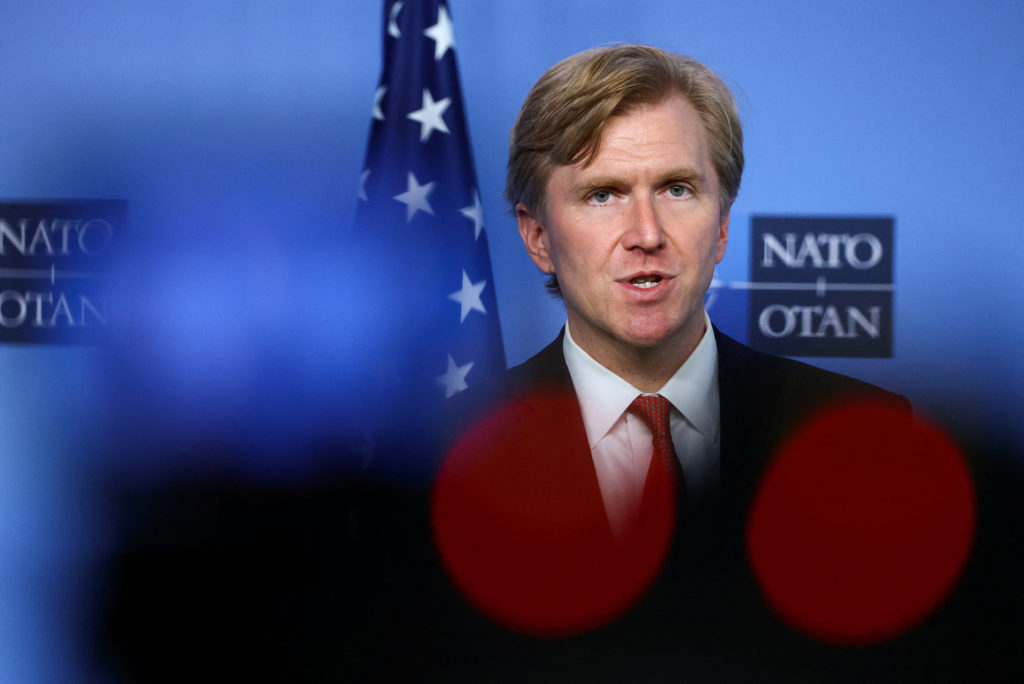
Lawmakers from both parties expressed deep frustration following a classified Senate briefing with top Pentagon policy adviser Elbridge Colby, citing a lack of clarity on military strategy, munitions stockpiles, and potential troop deployments.
Tensions have escalated between Congress and the Pentagon following a classified Capitol Hill briefing where lawmakers from both parties accused a senior Defense Department official of being opaque and evasive. Senators voiced deep dissatisfaction after Defense Undersecretary Elbridge Colby failed to deliver an expected update on the Trump administration's National Defense Strategy during the Thursday session.
The friction highlights growing concerns among legislators regarding the flow of information from military leadership about the nation's defense priorities. Lawmakers on the Senate Armed Services Committee stated that Colby did not provide the required progress report on the defense blueprint, which was mandated by Congress under the annual National Defense Authorization Act to be delivered no later than September 15.
The National Defense Strategy, released in January, outlines military guidance reflecting President Donald Trump's "America First" platform, emphasizing a noninterventionist foreign policy and questioning traditional strategic alliances in Europe. Republican and Democratic senators alike expressed frustration that the administration's top policy adviser did not provide a formal opening statement or adequate details regarding the implementation of these directives.
Sen. Jacky Rosen, a Nevada Democrat, stated that Colby "was not forthcoming" and failed to address core legislative concerns. Similarly, Sen. Kevin Cramer, a North Dakota Republican, characterized the classified session as "just sort of dodge and punt," noting the unusual nature of an official appearing for a congressionally mandated update without a prepared statement.
Beyond the defense strategy itself, lawmakers pressed Colby on several urgent operational and political matters, including military involvement in the Iran war and mounting anxieties surrounding U.S. defense capabilities. Democratic Sen. Mark Kelly of Arizona noted that the session left him with more questions than answers, particularly regarding strategic decision-making that has resulted in what he termed a "munitions deficit." Independent experts have indicated that military defense contractors may require approximately three years to fully replenish stockpiles of sophisticated weaponry, such as defensive missile interceptors.
Lawmakers also questioned Colby directly about whether the administration is considering deploying the National Guard to polling locations during the upcoming November midterm congressional elections. According to senators, Colby acknowledged that discussions regarding National Guard deployments have taken place, though he stated he was not leading those efforts. Sen. Cramer remarked that the official never gave a definitive "yes" or "no" answer on the matter.
The prospect of military personnel at voting sites has drawn heightened scrutiny from Capitol Hill in recent weeks. Sen. Elissa Slotkin, a Michigan Democrat, previously pressed Defense Secretary Pete Hegseth and Gen. Dan Caine, chairman of the Joint Chiefs of Staff, for assurances that troops would remain out of the midterms. In response, Gen. Caine stated in a letter last month that there are no current plans to deploy federal military personnel or federalized National Guard members to polling places for the 2026 elections.
Not all lawmakers emerged from the classified briefing with negative assessments. Sen. Jim Banks, a Republican from Indiana, described the meeting as "constructive, substantive" and said it successfully addressed all of his inquiries. Meanwhile, Senate Armed Services Committee Chairman Roger Wicker, a Mississippi Republican, declined to comment on the closed-door proceedings due to their classified nature.
The mounting friction over the Pentagon's disclosures underscores ongoing debates on Capitol Hill regarding congressional oversight and transparency within the Department of Defense. Lawmakers have signaled that further clarification and reporting will be expected as oversight of military strategy and election-security preparations continues.
Topic coverage
Follow recurring subjects across the WORLD PULSE newsroom.
Topics
Reader interest
Most read
 UKKelsey Parker Welcomes New Baby Named River Following Heartbreaking Stillbirth
 AIOpenAI Discloses New Safety Issues and Outlines Plan for Tracking Incidents
 SportsAsian Games Facing Accommodation Crisis and Weather Disruptions in Nagoya, Japan
More from the newsroom
Latest stories
 UKUK Defence Secretary Wes Streeting Urges Public Preparation for Cyber, Climate and Supply Chain Emergencies
 USAFederal Charges Filed Against Virginia State Senator L. Louise Lucas in Alleged Racketeering Scheme
 WorldRising Islamophobia and the Democratic Response to Attacks on Muslim Candidates
 ScienceGlobal Biodiversity Fund Faces Criticism as Pharmaceutical Contributions Stagnate at $7,000
 TechnologyMemphis City Council Rejects One-Year Data Center Moratorium in Favor of 135-Day Halt
 WorldDiplomatic and Military Developments in the Middle East: Iran, Russia, and Regional Security Updates
 WorldRubio Denounces Ukraine’s Claims of Withdrawn U.S. Support as ‘Scandalous’ Amid Oslo Diplomacy
 USATrump Administration Proposes Tying Federal Transit Funding to Local Birth and Marriage Rates
Research & context
Explore WORLD PULSE reference pages
Use these newsroom indexes to follow related coverage, review publication timelines and explore how WORLD PULSE reporting is organized.
Sources & attribution
The external reports, announcements or publications used to inform this article are listed here for attribution and reader context. A source link does not mean WORLD PULSE independently endorses every claim in that source.
Questions about sourcing, attribution or corrections: contact the newsroom.
