Britain Sees Second-Best Butterfly Season in 16 Years Amid Warnings of Future Population Decline
World Pulse Editorial — The WORLD PULSE editorial team covers international news, business, technology, AI, science, sport, culture and other subjects of public interest. The desk applies source attribution, editorial checks, context and corrections standards across the publication.
The byline identifies the newsroom author or editorial team responsible for this publication. Where the story is based on external reporting, those sources are identified below.
AI-assisted production may have been used in the drafting workflow. Source verification, attribution and editorial review remain the responsibility of WORLD PULSE.
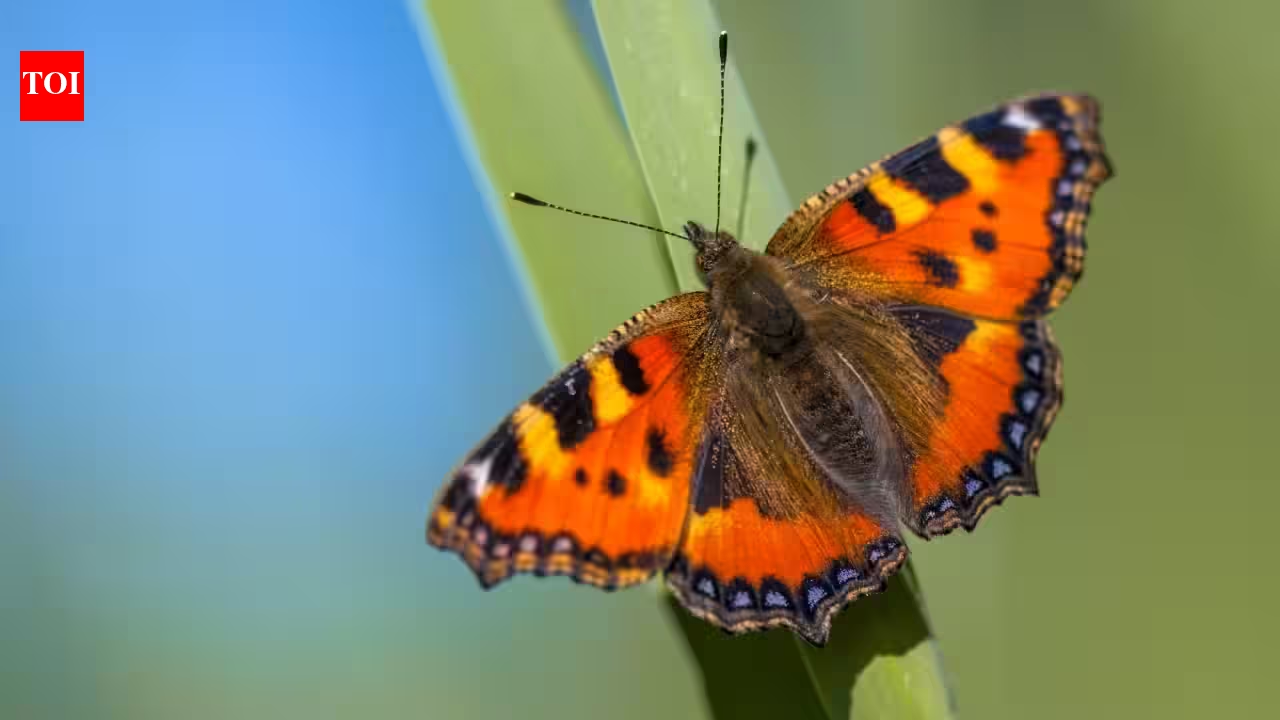
Over 100,000 volunteers across Britain tallied nearly 1.4 million common butterflies and moths during the record-breaking heat of summer 2026, marking the second-best season in 16 years, though experts warn of potential population crashes due to drought stress on caterpillars and foodplants.
Britain experienced a significant butterfly boom during the record heat of summer 2026, recording its second-best butterfly season in 16 years. According to findings from the Big Butterfly Count, more than 100,000 volunteers fanned out across the nation with notebooks to tally nearly 1.4 million common butterflies and day-flying moths. The overall results matched the strength last seen in 2019, which remains the best-performing summer in the dataset.
The surge in adult butterfly numbers was heavily driven by migratory species such as the painted lady. These insects island-hop from sub-Saharan Africa through several generations each summer, and the 2026 season saw a 335% increase in their numbers compared to 2025. The Butterfly Conservation organization recorded their second-highest numbers since the count began in 2010. Other species, including the holly blue and gatekeeper, also claimed their highest counts ever recorded, while the small copper secured the third-best position in its recorded history.
The exceptional season was fueled by weather conditions that favored adult butterflies, which thrive on sunshine and dryness. A five-heatwave season provided abundance for feeding and mating, while migratory species rode favorable winds and encountered ideal breeding conditions. However, experts from Butterfly Conservation caution that a banner year for adult butterflies does not equate to a healthy overall population outlook.
Richard Fox, head of science at Butterfly Conservation, explained that what matters far more is the welfare of caterpillar offspring and the vegetation they rely on. The same hot, dry weather that benefited adult butterflies caused grass, wildflowers, and other vital foodplants to wither in drought conditions. Fox warned that the season could be setting the stage for a severe population crash that might take years from which to recover.
Historical precedents offer mixed signals regarding drought impacts. Severe population collapses followed the exceptional butterfly years of 1976 and 1995, both of which were heavily linked to drought stress. Conversely, droughts in 2018 and 2022 did not trigger comparable nationwide collapses, illustrating that no two droughts are identical.
Independent naturalist Matthew Oates, who has maintained meticulous butterfly diaries since 1964, highlighted the specific nuances of the 2026 season. The notorious 1976 drought proved brutal for butterflies partly because it followed a prior dry year that primed plants for catastrophic failure. In contrast, the lead-up to the summer of 2026 featured a wet winter in 2025 and significant rainfall in early June before the drought took hold, potentially supplying butterfly foodplants with adequate moisture during critical early growth stages. Oates expressed hope that these preceding wet conditions might stave off a major population crash.
While migratory and certain heat-loving species flourished, drought-sensitive species experienced considerable struggles during the Big Butterfly Count. Populations of the speckled wood, green-veined white, and ringlet were recorded in below-average numbers, suffering declines of 44%, 54%, and 39% respectively since 2011. Fox noted that very few butterfly species can truly thrive amid the intense drought conditions observed across much of the United Kingdom.
Both experts emphasized that Britain is navigating uncharted territory regarding how climate extremes affect native wildlife and flying insect populations. Fox noted that the extreme conditions of recent summers surpass historical experience, leaving experts operating outside their comfort zones. Oates added that many local butterflies are beginning to exhibit behavioral patterns typically observed much further south in continental Europe, raising questions about the continued relevance of existing conservation knowledge and the pressing need for entomological research.
Topic coverage
Follow recurring subjects across the WORLD PULSE newsroom.
Topics
Reader interest
Most read
 UKKelsey Parker Welcomes New Baby Named River Following Heartbreaking Stillbirth
 AIOpenAI Discloses New Safety Issues and Outlines Plan for Tracking Incidents
 SportsAsian Games Facing Accommodation Crisis and Weather Disruptions in Nagoya, Japan
More from the newsroom
Latest stories
 UKUK Defence Secretary Wes Streeting Urges Public Preparation for Cyber, Climate and Supply Chain Emergencies
 USAFederal Charges Filed Against Virginia State Senator L. Louise Lucas in Alleged Racketeering Scheme
 WorldRising Islamophobia and the Democratic Response to Attacks on Muslim Candidates
 ScienceGlobal Biodiversity Fund Faces Criticism as Pharmaceutical Contributions Stagnate at $7,000
 TechnologyMemphis City Council Rejects One-Year Data Center Moratorium in Favor of 135-Day Halt
 WorldDiplomatic and Military Developments in the Middle East: Iran, Russia, and Regional Security Updates
 WorldRubio Denounces Ukraine’s Claims of Withdrawn U.S. Support as ‘Scandalous’ Amid Oslo Diplomacy
 USATrump Administration Proposes Tying Federal Transit Funding to Local Birth and Marriage Rates
Research & context
Explore WORLD PULSE reference pages
Use these newsroom indexes to follow related coverage, review publication timelines and explore how WORLD PULSE reporting is organized.
Sources & attribution
The external reports, announcements or publications used to inform this article are listed here for attribution and reader context. A source link does not mean WORLD PULSE independently endorses every claim in that source.
Questions about sourcing, attribution or corrections: contact the newsroom.
