IBM Vice Chairman Gary Cohn Discusses Energy Costs, Consumer Sentiment, and Federal Reserve Policy
World Pulse Editorial — The WORLD PULSE editorial team covers international news, business, technology, AI, science, sport, culture and other subjects of public interest. The desk applies source attribution, editorial checks, context and corrections standards across the publication.
The byline identifies the newsroom author or editorial team responsible for this publication. Where the story is based on external reporting, those sources are identified below.
AI-assisted production may have been used in the drafting workflow. Source verification, attribution and editorial review remain the responsibility of WORLD PULSE.
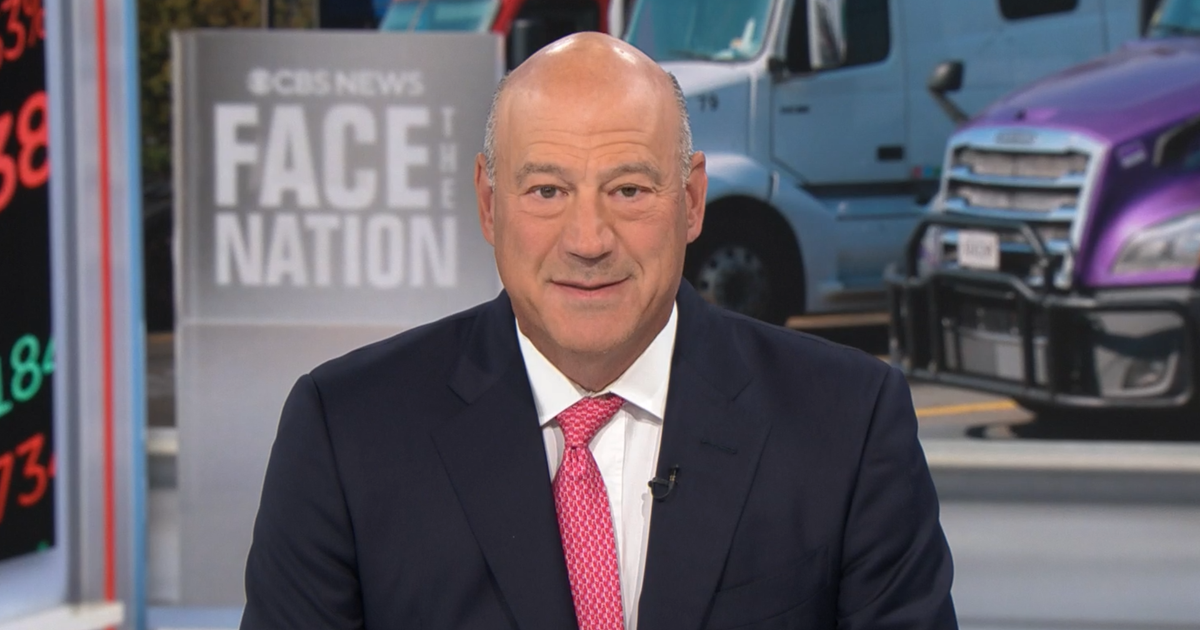
IBM Vice Chairman Gary Cohn addressed the U.S. economy, noting a negative shift in consumer sentiment driven by high energy prices and economic anxieties despite stable headline figures.
IBM Vice Chairman Gary Cohn appeared on CBS News' "Face the Nation with Margaret Brennan" to discuss the current state of the global and domestic economy, highlighting persistent cost pressures facing everyday consumers. Cohn, who previously served as a top economic adviser during President Trump's first term, pointed out that energy costs—including gasoline, motor oil, and jet fuel—remain a major pressure point for households worldwide, with international protests reflecting widespread public frustration.
According to Cohn, while headline economic indicators such as gross domestic product, employment, and overall consumer spending remain positive, day-to-day consumer sentiment has turned notably negative. He attributed this divergence to high fuel costs and the secondary effects of expensive diesel, which serves as a critical feedstock for agricultural production and transportation logistics. Additionally, consumer anxieties are being compounded by uncertainties surrounding artificial intelligence and the future job market.
Addressing macroeconomic indicators, Cohn noted that Treasury Secretary Scott Bessent has highlighted favorable data points, including a historically low poverty rate and strong foreign demand for U.S. assets. However, Cohn observed that real wages have turned negative in recent months, meaning wage growth is currently lagging behind inflation. To maintain their standard of living, consumers have increasingly relied on their savings, a trend Cohn warned cannot continue indefinitely as reserves diminish.
The discussion also covered the recent policy move by Federal Reserve Chairman Kevin Warsh and the Federal Open Market Committee, which unanimously voted to raise interest rates by 25 basis points in response to persistent inflation running in the high 2% range. Cohn expressed no surprise at the decision, emphasizing that the central bank is adhering strictly to its dual mandate of achieving maximum employment and maintaining stable prices. He noted that achieving a unanimous vote among Fed governors demonstrates a strong consensus to combat inflation.
While the White House criticized the rate hike, Cohn analyzed the practical mechanics of the decision, noting that supply-side pressures—particularly constrained energy supplies—are driving the current inflation. Because higher interest rates cannot directly create more oil or lower energy production, the policy aims to increase borrowing costs to temper consumer demand and rebalance the economic system. Interestingly, Cohn pointed out that while the overnight federal funds rate rose, longer-term government bond yields actually decreased, flattening the yield curve and keeping borrowing costs for mortgages, car loans, and credit cards relatively stable or lower over the course of the week.
Finally, Cohn touched on fiscal policy and national debt, addressing Treasury Secretary Bessent's recent intervention involving U.S. debt purchases alongside corporate debt issuance driven by surging data center and artificial intelligence infrastructure demands. Cohn explained that both fiscal and monetary authorities are attempting to lower long-term borrowing costs for consumers, though he stressed that Congress will ultimately need to address federal spending to achieve long-term fiscal stability.
Topic coverage
Follow recurring subjects across the WORLD PULSE newsroom.
Topics
Reader interest
Most read
 UKKelsey Parker Welcomes New Baby Named River Following Heartbreaking Stillbirth
 AIOpenAI Discloses New Safety Issues and Outlines Plan for Tracking Incidents
 SportsAsian Games Facing Accommodation Crisis and Weather Disruptions in Nagoya, Japan
More from the newsroom
Latest stories
 UKUK Defence Secretary Wes Streeting Urges Public Preparation for Cyber, Climate and Supply Chain Emergencies
 USAFederal Charges Filed Against Virginia State Senator L. Louise Lucas in Alleged Racketeering Scheme
 WorldRising Islamophobia and the Democratic Response to Attacks on Muslim Candidates
 ScienceGlobal Biodiversity Fund Faces Criticism as Pharmaceutical Contributions Stagnate at $7,000
 TechnologyMemphis City Council Rejects One-Year Data Center Moratorium in Favor of 135-Day Halt
 WorldDiplomatic and Military Developments in the Middle East: Iran, Russia, and Regional Security Updates
 WorldRubio Denounces Ukraine’s Claims of Withdrawn U.S. Support as ‘Scandalous’ Amid Oslo Diplomacy
 USATrump Administration Proposes Tying Federal Transit Funding to Local Birth and Marriage Rates
Research & context
Explore WORLD PULSE reference pages
Use these newsroom indexes to follow related coverage, review publication timelines and explore how WORLD PULSE reporting is organized.
Sources & attribution
The external reports, announcements or publications used to inform this article are listed here for attribution and reader context. A source link does not mean WORLD PULSE independently endorses every claim in that source.
Questions about sourcing, attribution or corrections: contact the newsroom.
