Lawsuits Filed Over Nazi-Looted Art Displayed in Museums in Los Angeles and Auschwitz
World Pulse Editorial — The WORLD PULSE editorial team covers international news, business, technology, AI, science, sport, culture and other subjects of public interest. The desk applies source attribution, editorial checks, context and corrections standards across the publication.
The byline identifies the newsroom author or editorial team responsible for this publication. Where the story is based on external reporting, those sources are identified below.
AI-assisted production may have been used in the drafting workflow. Source verification, attribution and editorial review remain the responsibility of WORLD PULSE.
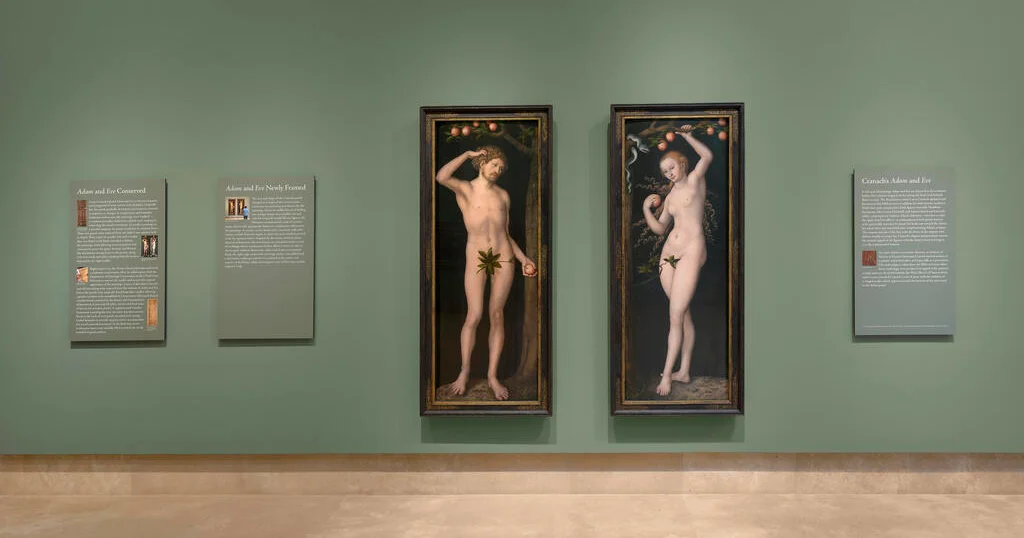
Jewish heirs and representatives have filed two lawsuits in California targeting Nazi-looted artworks currently displayed at the Norton Simon Museum in Pasadena and the Auschwitz Memorial, following the recent passage of state and federal laws strengthening claims to Holocaust-era property.
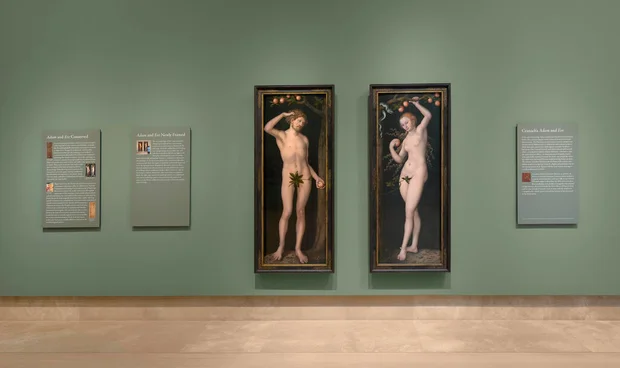
Jewish heirs of Holocaust victims and their representatives have filed two lawsuits in California seeking the return of Nazi-looted masterpieces currently on display at prominent institutions, including the Norton Simon Museum in Pasadena and the Auschwitz Memorial. According to CBS News, these legal actions are the first to be initiated following the recent passage of legislation by Congress and the state of California designed to strengthen U.S.-based claims to artworks forcibly taken from Jewish families during World War II.
The first lawsuit was filed on Monday in Los Angeles Superior Court by the Jewish Federation of Greater Los Angeles and its board chair, Daniel Gryczman. The filing targets the Norton Simon Museum, demanding the return of "Adam and Eve," two life-size oil-on-panel masterpieces created by Lucas Cranach the Elder in 1530. The second lawsuit was filed on the same day in federal court in Los Angeles by the daughters of the late Dinah Gottliebova Babbitt. She was a Holocaust survivor and California-based animator who was held in Auschwitz, and the lawsuit demands the return of watercolor portraits of fellow prisoners that she was forced to paint under duress for Nazi physician Josef Mengele.
The historical backdrop to these claims involves what historians note was the largest art theft in world history. Between 1933 and 1945, the Nazi regime orchestrated the seizure of more than 600,000 works of art across Europe from Jewish families, collectors, and museums. Decades later, many of these cultural treasures remain in prominent museums worldwide, making restitution efforts deeply complex and emotionally, legally, and ethically charged.
Rabbi Noah Farkas, president and CEO of the Jewish Federation of Los Angeles, explained that the federation acquired rights to the Cranach paintings from Marei von Saher, the sole heir of Dutch Jewish art dealer Jacques Goudstikker. Goudstikker's collection was originally seized by Hermann Göring, Adolf Hitler's second-in-command, before the paintings changed hands multiple times and were eventually sold in the 1960s to the Pasadena Museum of Modern Art, which was later renamed in honor of benefactor Norton Simon. Farkas stated that the federation intends to use the majority of the net proceeds from any recovered art to support approximately 2,500 Holocaust survivors living in the Los Angeles area.
Marei von Saher expressed gratitude to the organization, describing the effort as a meaningful step toward justice for Holocaust survivors and victims of Nazi-era atrocities. The legal push was also bolstered by California Assembly Bill 2867, authored by Democratic Assemblyman Jesse Gabriel and signed into law by Gov. Gavin Newsom in September 2024. The legislation requires state law to apply in lawsuits brought by California residents or their heirs seeking to recover art seized during the Holocaust or other persecutions. Gabriel introduced the bill in response to a federal court ruling concerning a Pissarro masterpiece held by a state-owned museum in Madrid.
Representatives for the institutions involved have pushed back against the claims, maintaining that they hold legitimate titles and intend to keep the works accessible to the public. Spokespersons for the Norton Simon Museum pointed to a 2018 unanimous federal court ruling determining that the museum holds proper title to the Cranach paintings, a decision left intact when the U.S. Supreme Court declined to intervene in May 2019. The museum's stance is that the paintings originally belonged to the Stroganoff family, were put up for sale by the Soviet Union in a 1931 Berlin auction where Goudstikker purchased them, and were subsequently acquired legally from a Stroganoff descendant.
Meanwhile, Pawel Sawicki, a spokesperson for the Auschwitz Memorial, argued that the watercolors painted by Gottliebova Babbitt under Mengele's orders should remain at the memorial. Sawicki noted that the artwork documents Mengele's criminal experiments and racial research on Roma and Sinti victims, asserting that the items should not be classified as conventional Nazi-looted art because the artist created them as an imprisoned victim without prior ownership of the paper. He cautioned that any loss of these historical documents would cause irreparable harm to the memory of the camp's victims.
As these cases move forward in California courts, they highlight the enduring legal and moral battles over cultural property stolen during the Holocaust, pitting families seeking inter-generational justice against institutions committed to preserving the historical record.
### Why the two lawsuits are legally significant
The cases involve different works and different legal histories, even though both concern art connected to the Holocaust. One lawsuit concerns Lucas Cranach the Elder's *Adam and Eve*, while the other concerns watercolors created by Dinah Gottliebova Babbitt while she was imprisoned at Auschwitz.
That distinction is important because the legal arguments are not identical. The heirs seeking the works' return are asserting claims connected to persecution and the circumstances under which the works left their original owners or creators. The institutions holding the works have presented their own legal and historical positions.
California and federal legislation has also changed the legal environment for some Holocaust-era art claims. The existence of a new lawsuit does not mean that the plaintiffs have already established ownership or that the museums have been ordered to surrender the works. Those questions remain matters for the courts.
The broader dispute reflects a recurring problem in restitution cases: museums, heirs, governments and courts may have to reconstruct ownership histories spanning decades, wartime seizures and multiple later transfers.
**Source note:** World Pulse separates the allegations and claims made by the parties from the museums' positions and from facts established through court proceedings. The current lawsuit details are based on the cited CBS/AP reporting.
Topic coverage
Follow recurring subjects across the WORLD PULSE newsroom.
Topics
Reader interest
Most read
 UKKelsey Parker Welcomes New Baby Named River Following Heartbreaking Stillbirth
 AIOpenAI Discloses New Safety Issues and Outlines Plan for Tracking Incidents
 SportsAsian Games Facing Accommodation Crisis and Weather Disruptions in Nagoya, Japan
More from the newsroom
Latest stories
 UKUK Defence Secretary Wes Streeting Urges Public Preparation for Cyber, Climate and Supply Chain Emergencies
 USAFederal Charges Filed Against Virginia State Senator L. Louise Lucas in Alleged Racketeering Scheme
 WorldRising Islamophobia and the Democratic Response to Attacks on Muslim Candidates
 ScienceGlobal Biodiversity Fund Faces Criticism as Pharmaceutical Contributions Stagnate at $7,000
 TechnologyMemphis City Council Rejects One-Year Data Center Moratorium in Favor of 135-Day Halt
 WorldDiplomatic and Military Developments in the Middle East: Iran, Russia, and Regional Security Updates
 WorldRubio Denounces Ukraine’s Claims of Withdrawn U.S. Support as ‘Scandalous’ Amid Oslo Diplomacy
 USATrump Administration Proposes Tying Federal Transit Funding to Local Birth and Marriage Rates
Research & context
Explore WORLD PULSE reference pages
Use these newsroom indexes to follow related coverage, review publication timelines and explore how WORLD PULSE reporting is organized.
Sources & attribution
The external reports, announcements or publications used to inform this article are listed here for attribution and reader context. A source link does not mean WORLD PULSE independently endorses every claim in that source.
Questions about sourcing, attribution or corrections: contact the newsroom.
