Mysterious Explosions Rock Frankfurt as Diesel Prices Hit All-Time Highs in Germany
World Pulse Editorial — The WORLD PULSE editorial team covers international news, business, technology, AI, science, sport, culture and other subjects of public interest. The desk applies source attribution, editorial checks, context and corrections standards across the publication.
The byline identifies the newsroom author or editorial team responsible for this publication. Where the story is based on external reporting, those sources are identified below.
AI-assisted production may have been used in the drafting workflow. Source verification, attribution and editorial review remain the responsibility of WORLD PULSE.
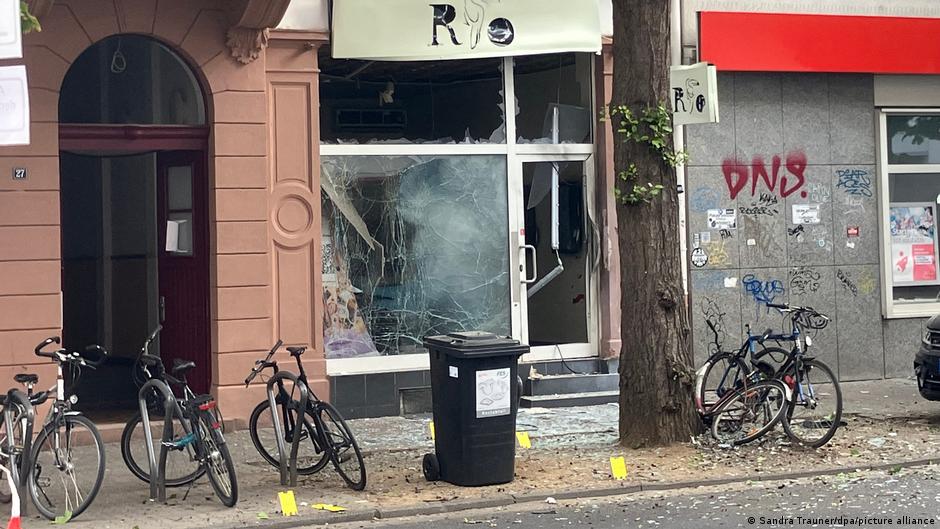
A series of overnight explosions damaged small businesses in Frankfurt, adding to regional security concerns as Germany also grapples with record-high diesel prices and critical upcoming state elections.
Residents in multiple Frankfurt neighborhoods were startled awake early Thursday morning by a fresh wave of mysterious explosions that targeted small local businesses. According to local police reports, explosives were detonated shortly after 4 a.m. in front of a cafe located in the city's Nordend neighborhood. Just minutes later, a similar blast occurred in front of a kiosk in the city center.
Authorities confirmed that no injuries were reported from either incident. Images from the scene of the cafe showed a severely shattered glass facade with debris strewn across the public street. A police spokeswoman told the German news agency DPA that officers were actively deployed to the locations and working intensively on the ongoing investigation. At this stage, law enforcement officials have not released any details regarding potential motives or identified suspects.
Thursday's blasts follow a string of similar incidents across the Rhine-Main region over recent days, weeks, and months. Earlier in the week, explosions damaged an apartment building in Frankfurt-Bockenheim early Monday morning, following blasts on Sunday morning in Frankfurt's Sachsenhausen district and in nearby Offenbach. Those earlier incidents affected a bar, a cafe, and a newsstand, resulting in minor damage and no injuries. Police previously arrested a 15-year-old suspect in connection with the Sachsenhausen explosion, who remains currently held in pretrial detention.
While police have previously attributed several regional explosions to organized crime networks utilizing a method described as "violence as a service"—where teenagers and young adults are recruited to carry out such attacks, as reported by local public broadcaster HR—authorities have not yet specified whether Thursday morning's explosions are linked to those networks.
In addition to the security concerns in Frankfurt, economic pressures mounted across Germany as fuel costs reached unprecedented levels. Figures published Thursday by the ADAC motoring organization revealed that German diesel prices surged to an all-time high, averaging €2.45 per liter, which equates to roughly $2.81 per liter or more than $10.60 per gallon. This spike follows ordinary gasoline hitting a record average of €2.314 per liter on Wednesday. Fuel prices have escalated significantly since the outbreak of the war in Iran.
Spring measures intended to provide price relief expired in June, leaving consumers exposed to the surging costs. Chancellor Friedrich Merz stated on Tuesday that the government intends to "react to price gouging," though no official new relief measures have been announced yet. Meanwhile, coalition partners within the Social Democrats (SPD) have advocated for implementing a windfall tax on oil companies, a proposal that Chancellor Merz has explicitly rejected.
Politically, Chancellor Merz faces a critical test heading into the weekend. On Thursday, Merz is scheduled to appear at a joint campaign event in Berlin alongside lead Christian Democratic Union (CDU) candidate Stefan Evers ahead of the upcoming Berlin House of Representatives election on Sunday. Merz is under mounting pressure for the CDU to secure a solid performance in the capital following a heavy electoral defeat earlier this month in Saxony-Anhalt.
To shore up his standing, all eight CDU state premiers publicly expressed their backing for Merz on Wednesday amid growing internal unease regarding his leadership. Polling indicates an extremely tight contest in Berlin, with only a few percentage points separating the top four contenders: the conservative CDU, the Left Party, the far-right Alternative for Germany (AfD), and the environmentalist Greens. State finance minister Stefan Evers has managed to keep the CDU competitive, with the party polling at approximately 20%, sitting closely behind The Left and narrowly ahead of the AfD.
Simultaneously, another crucial state election will take place Sunday in Mecklenburg-West Pomerania. Polling data suggests the CDU is struggling to maintain support at around 7%, placing the party dangerously close to the 5% threshold required to secure parliamentary seats. Although the conservative party has historically faced challenges in northeastern Germany, falling to a 7% share would mark the worst CDU election result since the end of World War II.
Topic coverage
Follow recurring subjects across the WORLD PULSE newsroom.
Topics
Reader interest
Most read
 UKKelsey Parker Welcomes New Baby Named River Following Heartbreaking Stillbirth
 AIOpenAI Discloses New Safety Issues and Outlines Plan for Tracking Incidents
 SportsAsian Games Facing Accommodation Crisis and Weather Disruptions in Nagoya, Japan
More from the newsroom
Latest stories
 UKUK Defence Secretary Wes Streeting Urges Public Preparation for Cyber, Climate and Supply Chain Emergencies
 USAFederal Charges Filed Against Virginia State Senator L. Louise Lucas in Alleged Racketeering Scheme
 WorldRising Islamophobia and the Democratic Response to Attacks on Muslim Candidates
 ScienceGlobal Biodiversity Fund Faces Criticism as Pharmaceutical Contributions Stagnate at $7,000
 TechnologyMemphis City Council Rejects One-Year Data Center Moratorium in Favor of 135-Day Halt
 WorldDiplomatic and Military Developments in the Middle East: Iran, Russia, and Regional Security Updates
 WorldRubio Denounces Ukraine’s Claims of Withdrawn U.S. Support as ‘Scandalous’ Amid Oslo Diplomacy
 USATrump Administration Proposes Tying Federal Transit Funding to Local Birth and Marriage Rates
Research & context
Explore WORLD PULSE reference pages
Use these newsroom indexes to follow related coverage, review publication timelines and explore how WORLD PULSE reporting is organized.
Sources & attribution
The external reports, announcements or publications used to inform this article are listed here for attribution and reader context. A source link does not mean WORLD PULSE independently endorses every claim in that source.
Questions about sourcing, attribution or corrections: contact the newsroom.
