NASA Discovers Massive 728-Foot Moon Crater Formed by Unseen 2024 Impact
World Pulse Editorial — The WORLD PULSE editorial team covers international news, business, technology, AI, science, sport, culture and other subjects of public interest. The desk applies source attribution, editorial checks, context and corrections standards across the publication.
The byline identifies the newsroom author or editorial team responsible for this publication. Where the story is based on external reporting, those sources are identified below.
AI-assisted production may have been used in the drafting workflow. Source verification, attribution and editorial review remain the responsibility of WORLD PULSE.
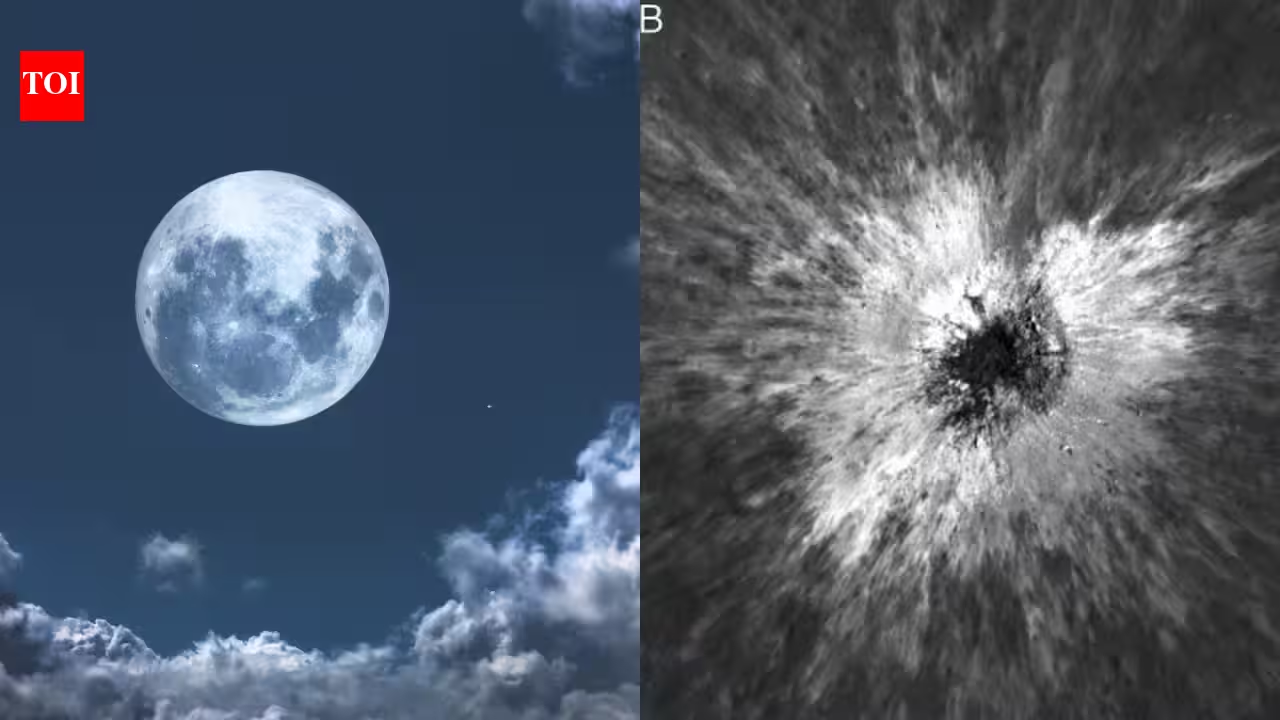
NASA researchers have identified a massive 728-foot crater on the Moon's near side resulting from an unobserved 2024 asteroid or comet impact, marking the largest recent collision scar discovered in the Solar System.
A massive impact scar on the Moon has gone largely unnoticed until recent analysis by space researchers revealed its existence. According to reports from AP News and the Times of India, an asteroid or comet fragment struck the lunar surface in 2024, carving out a gigantic depression without being detected by Earth-based or space-based telescopes in real time.
NASA's Lunar Reconnaissance Orbiter (LRO) ultimately helped researchers identify the feature hidden within its vast image archives. Wide-angle photographs taken around the period of the collision were not flagged as significant until August 2025, when scientists recognized the freshly formed feature. Subsequent high-resolution observations by the spacecraft allowed researchers to confirm the crater's dimensions, physical shape, and direct connection to the recent impact event.
Named after the late lunar scientist Thomas McGetchin, the newly discovered crater spans approximately 728 feet (222 meters) across and plunges as deep as 141 feet (43 meters). According to the reported data, these proportions make the lunar scar larger than Rome's Colosseum and roughly three times the size of the previous record-holder identified by the LRO about a decade ago.
The scale of the event is particularly notable because impacts of this magnitude are estimated to occur roughly once every 132 years. While the Moon features countless ancient impact marks—including enormous lunar basins stretching more than 1,500 miles across—this recent formation offers researchers a rare opportunity to study a major collision almost as it happened, providing fresh insights into how the lunar surface evolves.
The collision occurred on the near side of the Moon and disturbed an unexpectedly large expanse of terrain. Material ejected from the impact site was flung across more than 66 miles (100 kilometers) of lunar landscape, granting scientists a detailed look at how debris travels and settles across the surface.
In addition to the main crater, a separate study identified a roughly 4-mile-wide cold region surrounding the site. Researchers believe this secondary feature is tied to alterations in the Moon's upper layer of soil, known as regolith. These findings reinforce existing evidence that the lunar surface is being reshaped at a faster rate than previously understood.
Data compiled from numerous craters detected by the LRO suggest that the topmost inch of the lunar soil can be overturned by impact-ejected material roughly every 80,000 years. This continuous geological churning implies that historical artifacts, such as the famous footprints left behind by Apollo astronauts, are not permanent and will eventually be erased by fresh impacts and shifting soil over geological timescales.
Beyond theoretical geology, the discovery holds practical implications for future lunar exploration. As NASA and other space agencies work toward establishing a sustained human presence on the Moon, understanding the frequency of powerful impacts and the maximum distance traveled by flying debris becomes critical.
Researchers are currently assessing the potential risks that ejecta from future impacts might pose to planned lunar bases. Insights gathered from the McGetchin crater event could assist engineers in designing resilient structures capable of withstanding or mitigating the hazards of high-velocity debris.
While the massive crater appeared suddenly without warning, its subsequent identification offers scientists a valuable window into ongoing lunar transformation. The findings also serve as a practical reminder for mission planners preparing to establish long-term habitats on the lunar surface.
Topic coverage
Follow recurring subjects across the WORLD PULSE newsroom.
Topics
Reader interest
Most read
 UKKelsey Parker Welcomes New Baby Named River Following Heartbreaking Stillbirth
 AIOpenAI Discloses New Safety Issues and Outlines Plan for Tracking Incidents
 SportsAsian Games Facing Accommodation Crisis and Weather Disruptions in Nagoya, Japan
More from the newsroom
Latest stories
 UKUK Defence Secretary Wes Streeting Urges Public Preparation for Cyber, Climate and Supply Chain Emergencies
 USAFederal Charges Filed Against Virginia State Senator L. Louise Lucas in Alleged Racketeering Scheme
 WorldRising Islamophobia and the Democratic Response to Attacks on Muslim Candidates
 ScienceGlobal Biodiversity Fund Faces Criticism as Pharmaceutical Contributions Stagnate at $7,000
 TechnologyMemphis City Council Rejects One-Year Data Center Moratorium in Favor of 135-Day Halt
 WorldDiplomatic and Military Developments in the Middle East: Iran, Russia, and Regional Security Updates
 WorldRubio Denounces Ukraine’s Claims of Withdrawn U.S. Support as ‘Scandalous’ Amid Oslo Diplomacy
 USATrump Administration Proposes Tying Federal Transit Funding to Local Birth and Marriage Rates
Research & context
Explore WORLD PULSE reference pages
Use these newsroom indexes to follow related coverage, review publication timelines and explore how WORLD PULSE reporting is organized.
Sources & attribution
The external reports, announcements or publications used to inform this article are listed here for attribution and reader context. A source link does not mean WORLD PULSE independently endorses every claim in that source.
Questions about sourcing, attribution or corrections: contact the newsroom.
