Russia and China Veto U.S. Proposal at UN Security Council to Monitor Iran Sanctions
World Pulse Editorial — The WORLD PULSE editorial team covers international news, business, technology, AI, science, sport, culture and other subjects of public interest. The desk applies source attribution, editorial checks, context and corrections standards across the publication.
The byline identifies the newsroom author or editorial team responsible for this publication. Where the story is based on external reporting, those sources are identified below.
AI-assisted production may have been used in the drafting workflow. Source verification, attribution and editorial review remain the responsibility of WORLD PULSE.
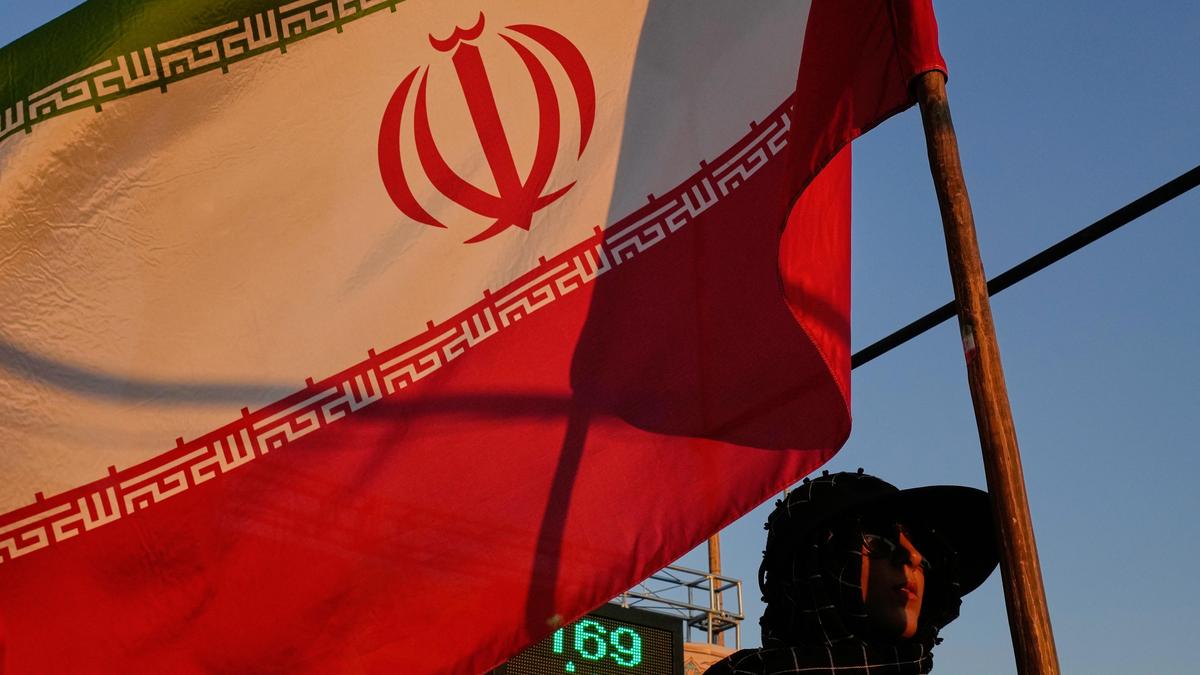
Russia and China have vetoed a U.S.-led UN Security Council resolution that sought to extend monitoring of international sanctions against Iran, creating a significant oversight gap.
Russia and China have vetoed a United Nations Security Council resolution proposed by the United States that would have authorized independent UN experts to continue monitoring international sanctions against Iran. The vote, which took place on Thursday, September 17, 2026, resulted in an 11-2 defeat after Somalia and Pakistan abstained.
The rejected proposal aimed to extend the mandate of a panel of UN experts for one year to oversee sanctions reimposed on Tehran last year over its nuclear program. Although the monitoring mandate has ended, the underlying UN Security Council sanctions remain in legal effect. These measures freeze Iran's assets abroad, halt arms deals with Tehran, and penalize any development related to its ballistic missile program.
The reimposition of these measures occurred on September 27, 2025, when the United States, alongside European partners France, Germany, and the United Kingdom, triggered the "snapback" mechanism under the 2015 nuclear agreement. This process restored the Security Council sanctions committee and initially authorized a panel of experts to oversee compliance.
However, the panel faced operational hurdles from the outset. Although Secretary-General António Guterres proposed panel members after the mandate was authorized a year ago, those appointments were never formally approved by the council.
The United States drafted the latest extension proposal amid a broader diplomatic campaign to isolate Tehran economically, coinciding with a conflict involving Iran that has lasted for over six months and reached a stalemate. Tensions have also escalated following military strikes on Iranian nuclear sites by Israel and the United States in June 2025. According to reports from the UN nuclear watchdog, international inspectors have been unable to verify the status of Iran's enriched uranium stockpile since those strikes. Previous IAEA assessments noted that Iran maintained a stockpile of 440.9 kilograms—or approximately 972 pounds—of uranium enriched up to 60 percent purity, which remains a short technical step away from weapons-grade levels of 90 percent.
U.S. Deputy Ambassador to the UN Jennifer Locetta stated that Washington was not surprised by the double veto, arguing that the expert panel would have exposed prohibited cooperation between Iran and its international partners. Ambassador Locetta asserted that the vetoes are part of a broader pattern designed to prevent independent oversight and suppress reporting on activities that implicate certain nations in supporting foreign regimes. She pointed to previous instances, including a March 2024 Russian veto that ended UN monitoring of sanctions against North Korea, alongside delayed or refused expert appointments in Mali, Yemen, and the Central African Republic.
Without an independent panel, the Security Council loses its primary source of impartial, evidence-based reporting regarding sanctions violations, Ambassador Locetta warned, creating a monitoring gap that benefits the Iranian regime and entities evading restrictions.
Conversely, Russian UN Ambassador Vassily Nebenzia defended Moscow's position by reiterating claims that the "snapback" of sanctions against Iran was illegal. He argued that the resolution to extend the panel's mandate was deeply flawed and lacked any legal basis. Ambassador Nebenzia added that Russia and China had urged Washington and its allies to avoid putting the contentious measure to a vote, warning that it would only heighten council tensions.
Iran's UN mission welcomed the outcome, expressing gratitude to China and Russia via social media for blocking what it termed a "cynical attempt by the United States and its allies to abuse the Security Council for their political purposes."
French UN Ambassador Jerome Bonnafont, serving as the current council president, emphasized that enforcing sanctions remains a crucial instrument to encourage Tehran to return to its nuclear obligations. He noted that France will examine alternative paths to ensure compliance, raising the possibility of establishing an independent monitoring team comprising France, Germany, the United Kingdom, and the United States, similar to the approach adopted following the termination of the North Korea panel of experts.
Reference resource
Follow the wider WORLD PULSE timeline and related reporting for this continuing story.
Russia-Ukraine War Coverage & TimelineTopic coverage
Follow recurring subjects across the WORLD PULSE newsroom.
Topics
Developing story
Follow the latest developments
Recent WORLD PULSE coverage with overlapping event terms is grouped here so readers can follow how the story is developing.
Reader interest
Most read
 UKKelsey Parker Welcomes New Baby Named River Following Heartbreaking Stillbirth
 AIOpenAI Discloses New Safety Issues and Outlines Plan for Tracking Incidents
 SportsAsian Games Facing Accommodation Crisis and Weather Disruptions in Nagoya, Japan
More from the newsroom
Latest stories
 UKUK Defence Secretary Wes Streeting Urges Public Preparation for Cyber, Climate and Supply Chain Emergencies
 USAFederal Charges Filed Against Virginia State Senator L. Louise Lucas in Alleged Racketeering Scheme
 WorldRising Islamophobia and the Democratic Response to Attacks on Muslim Candidates
 ScienceGlobal Biodiversity Fund Faces Criticism as Pharmaceutical Contributions Stagnate at $7,000
 TechnologyMemphis City Council Rejects One-Year Data Center Moratorium in Favor of 135-Day Halt
 WorldDiplomatic and Military Developments in the Middle East: Iran, Russia, and Regional Security Updates
 WorldRubio Denounces Ukraine’s Claims of Withdrawn U.S. Support as ‘Scandalous’ Amid Oslo Diplomacy
 USATrump Administration Proposes Tying Federal Transit Funding to Local Birth and Marriage Rates
Research & context
Explore WORLD PULSE reference pages
Use these newsroom indexes to follow related coverage, review publication timelines and explore how WORLD PULSE reporting is organized.
Sources & attribution
The external reports, announcements or publications used to inform this article are listed here for attribution and reader context. A source link does not mean WORLD PULSE independently endorses every claim in that source.
Questions about sourcing, attribution or corrections: contact the newsroom.
