Seven Ethiopian Armed Factions Unite Under New 'Alliance for Survival' Coalition
World Pulse Editorial — The WORLD PULSE editorial team covers international news, business, technology, AI, science, sport, culture and other subjects of public interest. The desk applies source attribution, editorial checks, context and corrections standards across the publication.
The byline identifies the newsroom author or editorial team responsible for this publication. Where the story is based on external reporting, those sources are identified below.
AI-assisted production may have been used in the drafting workflow. Source verification, attribution and editorial review remain the responsibility of WORLD PULSE.
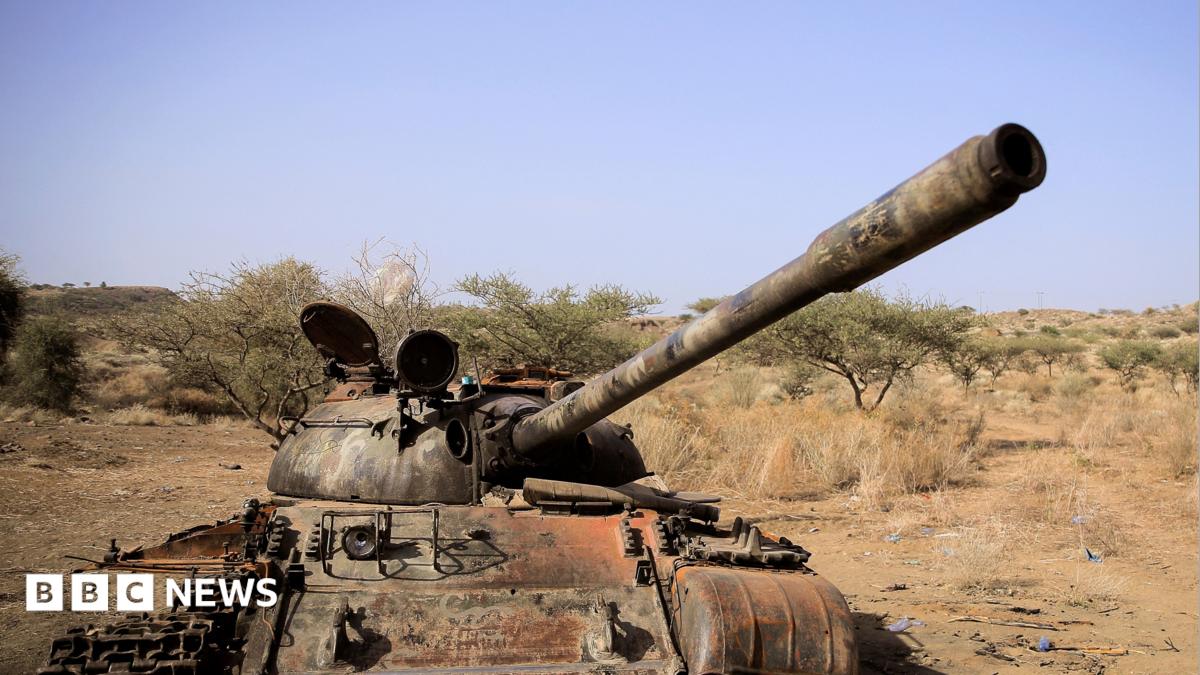
Seven armed groups, including the Fano militia, OLA, and TPLF, have formed the Alliance for Survival to challenge Prime Minister Abiy Ahmed's government, signaling a significant shift in the country's fragmented security landscape.
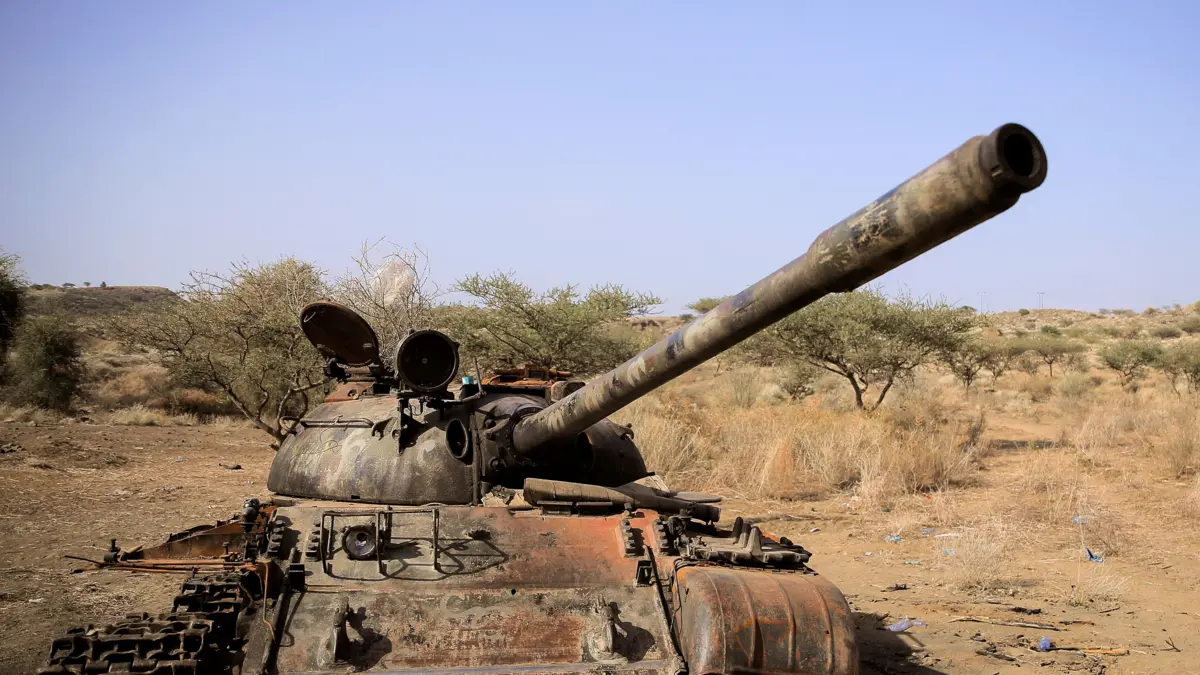
According to BBC News World, seven armed opposition groups operating across Ethiopia have announced the formation of a unified coalition named the Alliance for Survival, with the stated goal of removing the federal government in Addis Ababa. The coalition, which incorporates factions spanning half of Ethiopia’s 12 regional states, brings together major entities including the Fano militia from the Amhara region, the Oromo Liberation Army (OLA), and the Tigray People's Liberation Front (TPLF).
According to the BBC, the coalition also includes four smaller groupings with operations based in the Somali, Afar, and Benishangul-Gumuz regions. In a formal announcement, the alliance accused Prime Minister Abiy Ahmed’s administration of presiding over widespread war, mass destruction, and poverty, claiming that current national policies threaten to disintegrate the Ethiopian state.
Government spokesperson Billene Seyoum stated that the groups had already been engaging in collaboration prior to the official coalition announcement, as reported by Reuters. The Ethiopian government has faced years of persistent armed conflict in its most populous regions, Oromia and Amhara, alongside renewed tensions in the northern Tigray region. Despite a 2022 African Union-mediated peace agreement that concluded the two-year civil war in Tigray, both federal and regional forces have continued to exchange accusations regarding agreement violations.
While the coalition aims to present a united front, historical animosities between the members persist. The Amhara Fano militia, for instance, previously fought alongside federal forces against the TPLF during the Tigray conflict before launching an insurgency against the government over disarmament directives. Abdikadir Addaani Hirmooge, a spokesman for the Ogaden National Liberation Front—a member of the new coalition—told the BBC that the alliance seeks to unite divided communities and advocate for self-determination. However, analysts, including Edward Bach of Verisk Maplecroft, have expressed skepticism regarding the long-term viability of the coalition, citing the groups' past histories and the unlikely prospect of them sharing weapons effectively.
This development follows months of broader regional instability. Previously, Prime Minister Abiy addressed reports of alleged alliances involving the TPLF and neighboring Eritrea, telling lawmakers in July that he had full faith in Ethiopia's "defensive capabilities." The coalition's formation arrives after a June general election that saw Abiy’s Prosperity Party retain its parliamentary majority, though the poll was characterized by minimal opposition participation, the total exclusion of the Tigray region, and rejection by both the Fano and OLA groups.
Topic coverage
Follow recurring subjects across the WORLD PULSE newsroom.
Topics
Reader interest
Most read
 UKKelsey Parker Welcomes New Baby Named River Following Heartbreaking Stillbirth
 AIOpenAI Discloses New Safety Issues and Outlines Plan for Tracking Incidents
 SportsAsian Games Facing Accommodation Crisis and Weather Disruptions in Nagoya, Japan
More from the newsroom
Latest stories
 UKUK Defence Secretary Wes Streeting Urges Public Preparation for Cyber, Climate and Supply Chain Emergencies
 USAFederal Charges Filed Against Virginia State Senator L. Louise Lucas in Alleged Racketeering Scheme
 WorldRising Islamophobia and the Democratic Response to Attacks on Muslim Candidates
 ScienceGlobal Biodiversity Fund Faces Criticism as Pharmaceutical Contributions Stagnate at $7,000
 TechnologyMemphis City Council Rejects One-Year Data Center Moratorium in Favor of 135-Day Halt
 WorldDiplomatic and Military Developments in the Middle East: Iran, Russia, and Regional Security Updates
 WorldRubio Denounces Ukraine’s Claims of Withdrawn U.S. Support as ‘Scandalous’ Amid Oslo Diplomacy
 USATrump Administration Proposes Tying Federal Transit Funding to Local Birth and Marriage Rates
Research & context
Explore WORLD PULSE reference pages
Use these newsroom indexes to follow related coverage, review publication timelines and explore how WORLD PULSE reporting is organized.
Sources & attribution
The external reports, announcements or publications used to inform this article are listed here for attribution and reader context. A source link does not mean WORLD PULSE independently endorses every claim in that source.
Questions about sourcing, attribution or corrections: contact the newsroom.
