US Trump Administration Weakens Endangered Species Act in Major Policy Shift
World Pulse Editorial — The WORLD PULSE editorial team covers international news, business, technology, AI, science, sport, culture and other subjects of public interest. The desk applies source attribution, editorial checks, context and corrections standards across the publication.
The byline identifies the newsroom author or editorial team responsible for this publication. Where the story is based on external reporting, those sources are identified below.
AI-assisted production may have been used in the drafting workflow. Source verification, attribution and editorial review remain the responsibility of WORLD PULSE.
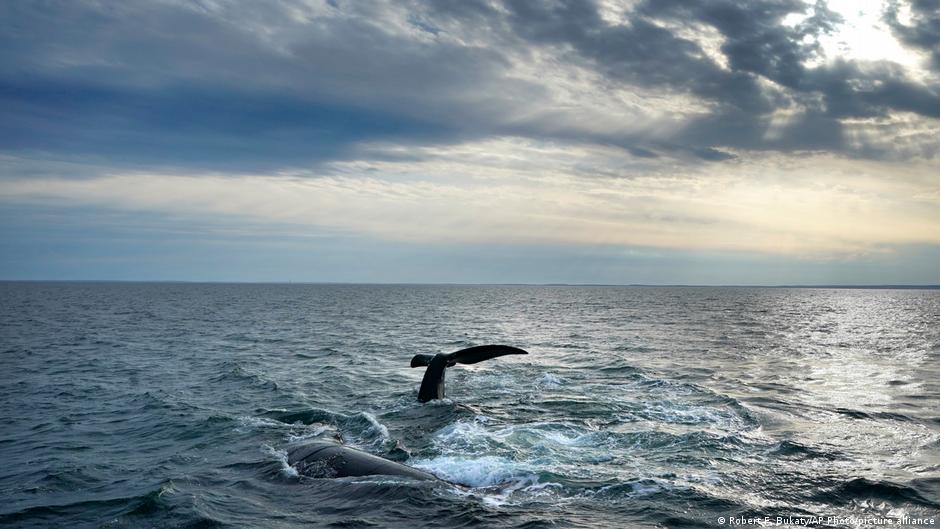
The US government has issued a new memo reinterpreting the Endangered Species Act to exclude the unintentional killing of protected wildlife from unlawful actions, sparking immediate legal challenges from state attorneys general.
The United States government is implementing a major reinterpretation of the landmark 1973 Endangered Species Act (ESA) by narrowing how federal agencies define the illegal "take" of protected wildlife. According to a policy memo signed by Brian Nesvik, director of the Interior Department's Fish and Wildlife Service, the federal government will no longer consider the unintentional killing of protected animals as unlawful under the statute.
The policy shift redefines the term "take"—which historically covered pursuing, killing, or capturing a species—to mean strictly "affirmative conduct intentionally directed against a particular animal or animals." Consequently, wildlife deaths resulting from foreseeable risks tied to commercial activities such as logging and commercial fishing will be exempt from penalties under the 1973 law. The Interior Department confirmed the authenticity of the memo to AFP, stating that it accurately reflects the service's guidance following a final rule that rescinded the regulatory definition of "harm."
Historically, the Fish and Wildlife Service held individuals and corporations legally liable for accidentally harming protected species, including manatees, grizzly bears, and spotted owls. Critics and former federal officials have strongly condemned the policy change. Dan Ashe, who led the agency under former President Barack Obama, told the Associated Press that the shift cuts against the entire history of the statute. Ashe argued that the reinterpretation creates a massive loophole, entirely relieving people of responsibility for predictable consequences arising from their actions.
The latest memo builds upon a broader overhaul of the Endangered Species Act by the Trump administration. Last year, the administration announced it would factor economic considerations into decisions regarding whether to protect species at risk of extinction. Interior Secretary Doug Burgum has defended these changes, asserting that the ESA has been weaponized to halt economic projects, weaken national competitiveness, undermine national security, and adversely affect Americans.
Additional adjustments to the implementation of the ESA include a redefinition of "harm" that allows oil drilling, mining, and other commercial activities in endangered habitats, provided those operations do not directly kill or injure the animals. The administration also halted the automatic application of endangered species protections to species categorized as "threatened" and moved to shrink two vast protected land areas in Utah by more than 90% to open millions of acres for fossil fuel extraction and mining.
The sweeping regulatory changes have already triggered significant legal pushback. Last week, the attorneys general of 20 Democratic-led states, alongside Washington, DC, filed lawsuits against the administration over the ESA overhaul. One lawsuit contests the redefinition of "harm," while a second challenges the removal of automatic protections for newly threatened species and the inclusion of business-related criteria when designating critical habitats.
Washington Attorney General Nick Brown criticized the federal approach during the legal challenge, stating that the administration is undermining the law, congressional intent, and public support for wildlife preservation. Brown characterized the administration's approach to natural resources as one of exploitation rather than stewardship. The ongoing litigation sets up a major legal battle over five decades of precedent in how federal environmental protections are interpreted and enforced across the United States.
Topic coverage
Follow recurring subjects across the WORLD PULSE newsroom.
Topics
Reader interest
Most read
 UKKelsey Parker Welcomes New Baby Named River Following Heartbreaking Stillbirth
 AIOpenAI Discloses New Safety Issues and Outlines Plan for Tracking Incidents
 SportsAsian Games Facing Accommodation Crisis and Weather Disruptions in Nagoya, Japan
More from the newsroom
Latest stories
 UKUK Defence Secretary Wes Streeting Urges Public Preparation for Cyber, Climate and Supply Chain Emergencies
 USAFederal Charges Filed Against Virginia State Senator L. Louise Lucas in Alleged Racketeering Scheme
 WorldRising Islamophobia and the Democratic Response to Attacks on Muslim Candidates
 ScienceGlobal Biodiversity Fund Faces Criticism as Pharmaceutical Contributions Stagnate at $7,000
 TechnologyMemphis City Council Rejects One-Year Data Center Moratorium in Favor of 135-Day Halt
 WorldDiplomatic and Military Developments in the Middle East: Iran, Russia, and Regional Security Updates
 WorldRubio Denounces Ukraine’s Claims of Withdrawn U.S. Support as ‘Scandalous’ Amid Oslo Diplomacy
 USATrump Administration Proposes Tying Federal Transit Funding to Local Birth and Marriage Rates
Research & context
Explore WORLD PULSE reference pages
Use these newsroom indexes to follow related coverage, review publication timelines and explore how WORLD PULSE reporting is organized.
Sources & attribution
The external reports, announcements or publications used to inform this article are listed here for attribution and reader context. A source link does not mean WORLD PULSE independently endorses every claim in that source.
Questions about sourcing, attribution or corrections: contact the newsroom.
