When Berlin and Stuttgart Apartments Tell Stories of Nazi Persecution and Jewish History
World Pulse Editorial — The WORLD PULSE editorial team covers international news, business, technology, AI, science, sport, culture and other subjects of public interest. The desk applies source attribution, editorial checks, context and corrections standards across the publication.
The byline identifies the newsroom author or editorial team responsible for this publication. Where the story is based on external reporting, those sources are identified below.
AI-assisted production may have been used in the drafting workflow. Source verification, attribution and editorial review remain the responsibility of WORLD PULSE.
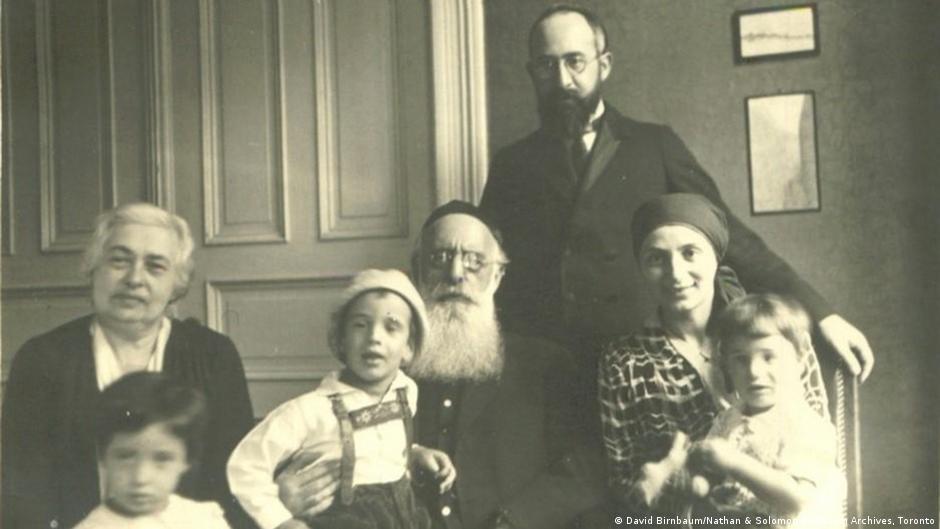
Residents tracing the history of their historic homes across Germany are uncovering the powerful, painful stories of Jewish predecessors who were displaced, deported, or forced to flee during the Nazi era.
Across Germany, current residents investigating the pasts of their historic homes are uncovering emotional connections to Jewish families who lived in the same spaces before being forced to flee or being deported during the Nazi era. According to reporting from Deutsche Welle, these modern discoveries are breathing new life into historical remembrance as the generation of eyewitnesses fades away.
In Berlin, Marie Rolshoven has lived with her family in a fourth-floor apartment at Rosenheimer Straße 40 since 2007. Rolshoven noted the lingering emotional weight of crossing the threshold where former residents walked for the last time. Following the National Socialists' seizure of power in January 1933, Jewish citizens faced systemic marginalization. On September 18, 1938, the Nazi party newspaper Völkischer Beobachter asserted that landlords could terminate leases without notice, a policy codified into law by April 30, 1939, forcing Jewish tenants and property owners into designated "Judenhäuser" or Jewish houses.
At Rosenheimer Straße 40, authorities crammed nine people into the apartment belonging to Henny and Carl Möller before systematic deportations to Eastern European ghettos and camps began in the fall of 1941. Nazi Propaganda Minister Joseph Goebbels wrote in his diary that his primary goal was cleansing the Reich capital of Jews. Seeking to honor those targeted, Rolshoven and her co-founders launched the initiative Denk Mal Am Ort in 2016, inspired by Amsterdam's Open Jewish Homes project, to host commemorative events directly inside former residences.
The initiative previously connected Rolshoven with 92-year-old Joel Ludwig Katzenellenbogen, a former resident of a lower-floor apartment whose family fled Nazi Germany in 1939. Katzenellenbogen visited the space in 2018 alongside his relatives, instantly recognizing details from his childhood, including where his ten-year-old brother's bed once stood. Similarly, Claudia Samter contacted the initiative to trace her family history and discovered her aunt had been housed in Rolshoven's apartment before being murdered by the Nazis. Samter has since visited the apartment multiple times to share memories, finding solace in giving the domestic space a new purpose since her aunt lacks a traditional cemetery grave.
Meanwhile, 19-year-old Adam Ethan Klein from Switzerland began digging into his family's history after noticing the spread of contemporary antisemitism and the resonance of the slogan "Never again is now." Upon opening an attic suitcase belonging to his maternal great-grandfather, Klein found a June 12, 1933, letter from the Hanover District Court notifying attorney Max Haas that he had been removed from the list of licensed attorneys under a ministerial decree.
Klein realized that a single sentence stripped his family of their status as an average German household, reducing them entirely to their Jewish identity. This personal reckoning resonated with him further following an antisemitic attack in Zurich. Driven to investigate further for his high school graduation thesis, Klein traveled with his family in the spring of 2024 to trace their ancestors' steps.
In Stuttgart, Klein's family encountered Thomas Koch outside a building at Hölderlinstraße 55. Koch had spent years researching the property's former residents, discovering that the Merzbacher brothers sold the house in 1936 under heavy tax burdens to fund escape fares to Brazil and the United States. Koch had also traced the Hirschheimer family, plywood traders who lived on the ground floor before being relocated to a Judenhaus.
When Koch asked if the visiting relatives were the Hirschheimers, it sparked a magical encounter. Adolf and Auguste Hirschheimer were Klein's great-great-grandparents, and their daughter Ilse was married to Max Haas. Ilse and Max ultimately found refuge in England, while the Hirschheimers emigrated to Switzerland in 1939, where Adolf passed away in 1940. Auguste later joined her family in England, though letters show the family struggled with displacement, writing that they felt like Jews in England and Germans upon returning to Europe.
With eyewitnesses steadily passing away, Klein and Rolshoven emphasize that intergenerational remembrance and grassroots research remain vital tools for preserving history. Through initiatives like Denk Mal Am Ort and chance encounters at historic doorways, descendants and current residents are working to ensure that the stories tied to these apartments are never forgotten.
Topic coverage
Follow recurring subjects across the WORLD PULSE newsroom.
Topics
Reader interest
Most read
 UKKelsey Parker Welcomes New Baby Named River Following Heartbreaking Stillbirth
 AIOpenAI Discloses New Safety Issues and Outlines Plan for Tracking Incidents
 SportsAsian Games Facing Accommodation Crisis and Weather Disruptions in Nagoya, Japan
More from the newsroom
Latest stories
 UKUK Defence Secretary Wes Streeting Urges Public Preparation for Cyber, Climate and Supply Chain Emergencies
 USAFederal Charges Filed Against Virginia State Senator L. Louise Lucas in Alleged Racketeering Scheme
 WorldRising Islamophobia and the Democratic Response to Attacks on Muslim Candidates
 ScienceGlobal Biodiversity Fund Faces Criticism as Pharmaceutical Contributions Stagnate at $7,000
 TechnologyMemphis City Council Rejects One-Year Data Center Moratorium in Favor of 135-Day Halt
 WorldDiplomatic and Military Developments in the Middle East: Iran, Russia, and Regional Security Updates
 WorldRubio Denounces Ukraine’s Claims of Withdrawn U.S. Support as ‘Scandalous’ Amid Oslo Diplomacy
 USATrump Administration Proposes Tying Federal Transit Funding to Local Birth and Marriage Rates
Research & context
Explore WORLD PULSE reference pages
Use these newsroom indexes to follow related coverage, review publication timelines and explore how WORLD PULSE reporting is organized.
Sources & attribution
The external reports, announcements or publications used to inform this article are listed here for attribution and reader context. A source link does not mean WORLD PULSE independently endorses every claim in that source.
Questions about sourcing, attribution or corrections: contact the newsroom.
