Yellowstone to Yukon Conservation Initiative Named Finalist for Earthshot Prize
World Pulse Editorial — The WORLD PULSE editorial team covers international news, business, technology, AI, science, sport, culture and other subjects of public interest. The desk applies source attribution, editorial checks, context and corrections standards across the publication.
The byline identifies the newsroom author or editorial team responsible for this publication. Where the story is based on external reporting, those sources are identified below.
AI-assisted production may have been used in the drafting workflow. Source verification, attribution and editorial review remain the responsibility of WORLD PULSE.
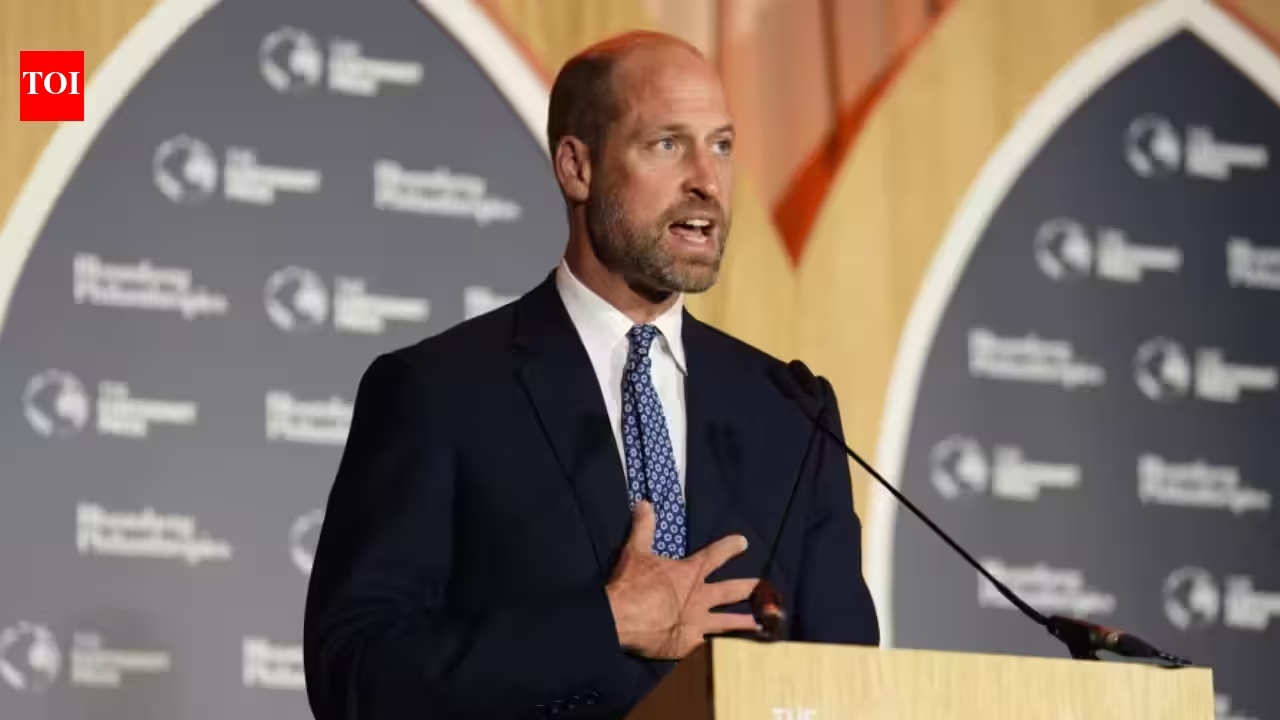
A 33-year-old conservation effort spanning from Wyoming to the Yukon has been selected as a finalist for Prince William’s 2026 Earthshot Prize, marking three decades of efforts to reconnect fragmented wilderness.
According to Times of India World, the Yellowstone to Yukon Conservation Initiative (Y2Y) has been named a finalist for Prince William’s 2026 Earthshot Prize, according to The Associated Press. The project, which was officially established in 1993, is competing in the 'Protect and Restore Nature' category for its work in linking habitats across a 2,100-mile stretch of the Rocky Mountains.
Over the past 33 years, the initiative has protected 59 million acres of land and facilitated 204 wildlife crossings, including overpasses and underpasses designed to help large mammals like grizzly bears, wolves, and caribou traverse major highways. According to project records, these crossings—often layered with native vegetation—have reduced collisions between motor vehicles and hoofed animals by 96 percent in areas such as Alberta's Banff National Park. Additionally, Y2Y efforts have decreased the distance between isolated grizzly bear populations in the United States from 240 kilometers to 75 kilometers.
The project’s origins date back to the early 1990s and a tracking study of a radio-collared wolf named Pluie. Satellite data revealing that the wolf moved across three U.S. states and two Canadian provinces demonstrated that individual parks and nature reserves were insufficient for sustaining large mammal populations. This finding underscored the need for a connected corridor across the landscape, which today spans 1.3 million square kilometers across five U.S. states, two Canadian provinces, and two territories.
Indigenous leadership remains central to the initiative’s operations, with Indigenous communities managing or co-managing approximately one-quarter of the protected land. These partnerships have been credited with the recovery of threatened species; for instance, an Indigenous-led project in northern British Columbia boosted the Klinse-Za caribou herd from 38 animals in 2013 to 187.
Dr. Jodi Hilty, President and Chief Scientist of the initiative, noted that the recognition as an Earthshot Prize finalist provides global visibility to the region and the collaborative efforts of those living within it. Beyond habitat connectivity, the Y2Y landscape is significant for carbon storage, holding roughly 13 percent of the carbon sequestered by Canada and the United States combined, despite covering only about 7 percent of their total land area.
The Earthshot Prize, founded by Prince William in 2020, awards £1 million to projects focused on repairing environmental damage. The 2026 winners will be announced at an awards ceremony in Mumbai this November. Looking ahead, Y2Y has set goals to protect an additional 50 million acres and develop at least 50 more wildlife crossings by 2030.
Topic coverage
Follow recurring subjects across the WORLD PULSE newsroom.
Topics
Reader interest
Most read
 UKKelsey Parker Welcomes New Baby Named River Following Heartbreaking Stillbirth
 AIOpenAI Discloses New Safety Issues and Outlines Plan for Tracking Incidents
 SportsAsian Games Facing Accommodation Crisis and Weather Disruptions in Nagoya, Japan
More from the newsroom
Latest stories
 UKUK Defence Secretary Wes Streeting Urges Public Preparation for Cyber, Climate and Supply Chain Emergencies
 USAFederal Charges Filed Against Virginia State Senator L. Louise Lucas in Alleged Racketeering Scheme
 WorldRising Islamophobia and the Democratic Response to Attacks on Muslim Candidates
 ScienceGlobal Biodiversity Fund Faces Criticism as Pharmaceutical Contributions Stagnate at $7,000
 TechnologyMemphis City Council Rejects One-Year Data Center Moratorium in Favor of 135-Day Halt
 WorldDiplomatic and Military Developments in the Middle East: Iran, Russia, and Regional Security Updates
 WorldRubio Denounces Ukraine’s Claims of Withdrawn U.S. Support as ‘Scandalous’ Amid Oslo Diplomacy
 USATrump Administration Proposes Tying Federal Transit Funding to Local Birth and Marriage Rates
Research & context
Explore WORLD PULSE reference pages
Use these newsroom indexes to follow related coverage, review publication timelines and explore how WORLD PULSE reporting is organized.
Sources & attribution
The external reports, announcements or publications used to inform this article are listed here for attribution and reader context. A source link does not mean WORLD PULSE independently endorses every claim in that source.
Questions about sourcing, attribution or corrections: contact the newsroom.
