China Rejects US Tariff Threat Over Russian Oil as Legislation Advances
World Pulse Editorial — The WORLD PULSE editorial team covers international news, business, technology, AI, science, sport, culture and other subjects of public interest. The desk applies source attribution, editorial checks, context and corrections standards across the publication.
The byline identifies the newsroom author or editorial team responsible for this publication. Where the story is based on external reporting, those sources are identified below.
AI-assisted production may have been used in the drafting workflow. Source verification, attribution and editorial review remain the responsibility of WORLD PULSE.
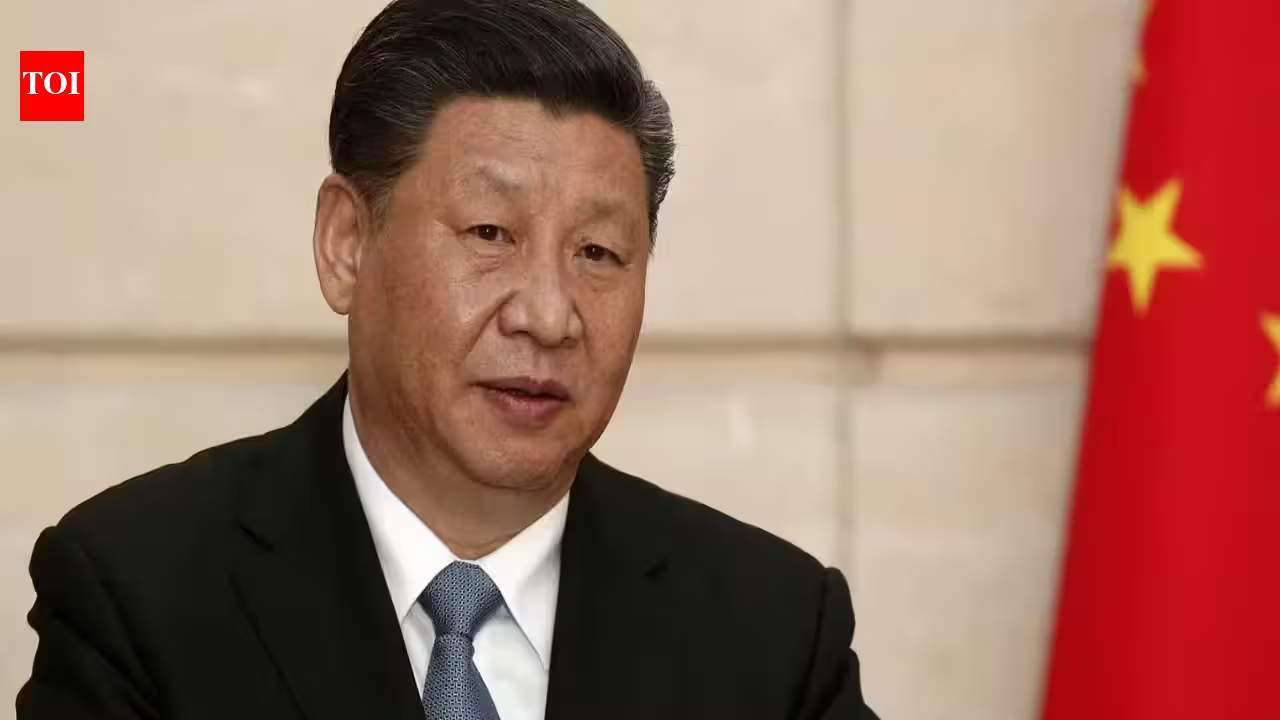
Beijing has strongly criticized a newly passed US legislative proposal that introduces steep tariffs on major buyers of Russian energy commodities, stating the measure lacks international legal basis.
China has firmly rejected American efforts to influence nations purchasing Russian oil and gas, asserting that normal trade relations with other countries should not face interference or coercion from third parties. The diplomatic response follows the passage of the Lindsey O Graham Sanctioning Russia and Iran Act of 2026 by the US House of Representatives.
The newly passed US legislation grants the American president the authority to impose tariffs of up to 100 percent on nations that continue purchasing Russian oil and natural gas, including major consumer countries such as China and India. Chinese foreign ministry spokesperson Guo Jiakun addressed reporters during a briefing, stating that Beijing consistently opposes unilateral measures that lack international legal standing.
According to Guo, Beijing opposes long-arm jurisdiction that does not possess a foundation in international law or formal authorization from the United Nations Security Council. He emphasized that China's trade with international partners is founded on principles of equality and mutual benefit, noting that such cooperative economic ties neither target third parties nor should be subject to outside interference or coercion.
The legislative measure was approved by the US House of Representatives by a 262-159 vote following prior approval by the Senate. The bill now advances to US President Donald Trump for his signature. The framework is designed to ratchet up economic pressure on Russia in connection with its ongoing war in Ukraine.
The legislation creates a specific mechanism allowing the US president to levy tariffs of up to 100 percent against the five largest global importers of Russian crude oil or natural gas. Countries can potentially bypass the tariff provisions if they import less than 15 percent of Russia's natural gas exports and have implemented significant measures to scale down those purchases.
Given that China and India represent two of the largest purchasers of Russian crude, the proposed tariffs carry substantial weight and could significantly impact their broader commercial relations with the United States. Beijing has a documented history of opposing unilateral sanctions while maintaining ongoing economic ties with nations targeted by American penalties, including Iran.
China remains a major destination for Russian energy exports, with significant volumes transported via cross-border pipelines. Official data shared during the Chinese foreign ministry briefing indicated that China's imports of Russian oil and gas totaled approximately $64 billion during the previous year, while imports between January and August had already surpassed $70 billion, highlighting the considerable scale of energy trade that could be affected by prospective US measures.
Meanwhile, the government of India also responded to the legislative developments in Washington, confirming that it is closely monitoring the situation and preparing to take appropriate steps to safeguard its national trade and economic interests. The Ministry of External Affairs noted that New Delhi remains fully committed to ensuring energy security for its population through diversified sourcing and responsive market dynamics.
Indian officials stated that the potential implications of the legislation had been communicated to US interlocutors during high-level discussions in recent months, emphasizing the potential impact on both bilateral ties and the broader international energy market. The ministry confirmed that India will collaborate closely with domestic trade and industry organizations to navigate the unfolding economic landscape.
Reference resource
Follow the wider WORLD PULSE timeline and related reporting for this continuing story.
Russia-Ukraine War Coverage & TimelineTopic coverage
Follow recurring subjects across the WORLD PULSE newsroom.
Topics
Reader interest
Most read
 UKKelsey Parker Welcomes New Baby Named River Following Heartbreaking Stillbirth
 AIOpenAI Discloses New Safety Issues and Outlines Plan for Tracking Incidents
 SportsAsian Games Facing Accommodation Crisis and Weather Disruptions in Nagoya, Japan
More from the newsroom
Latest stories
 UKUK Defence Secretary Wes Streeting Urges Public Preparation for Cyber, Climate and Supply Chain Emergencies
 USAFederal Charges Filed Against Virginia State Senator L. Louise Lucas in Alleged Racketeering Scheme
 WorldRising Islamophobia and the Democratic Response to Attacks on Muslim Candidates
 ScienceGlobal Biodiversity Fund Faces Criticism as Pharmaceutical Contributions Stagnate at $7,000
 TechnologyMemphis City Council Rejects One-Year Data Center Moratorium in Favor of 135-Day Halt
 WorldDiplomatic and Military Developments in the Middle East: Iran, Russia, and Regional Security Updates
 WorldRubio Denounces Ukraine’s Claims of Withdrawn U.S. Support as ‘Scandalous’ Amid Oslo Diplomacy
 USATrump Administration Proposes Tying Federal Transit Funding to Local Birth and Marriage Rates
Research & context
Explore WORLD PULSE reference pages
Use these newsroom indexes to follow related coverage, review publication timelines and explore how WORLD PULSE reporting is organized.
Sources & attribution
The external reports, announcements or publications used to inform this article are listed here for attribution and reader context. A source link does not mean WORLD PULSE independently endorses every claim in that source.
Questions about sourcing, attribution or corrections: contact the newsroom.
