Indonesia Seeks Tougher Legal Penalties and 'Ecological Terrorism' Label Amid Severe Wildfires
World Pulse Editorial — The WORLD PULSE editorial team covers international news, business, technology, AI, science, sport, culture and other subjects of public interest. The desk applies source attribution, editorial checks, context and corrections standards across the publication.
The byline identifies the newsroom author or editorial team responsible for this publication. Where the story is based on external reporting, those sources are identified below.
AI-assisted production may have been used in the drafting workflow. Source verification, attribution and editorial review remain the responsibility of WORLD PULSE.
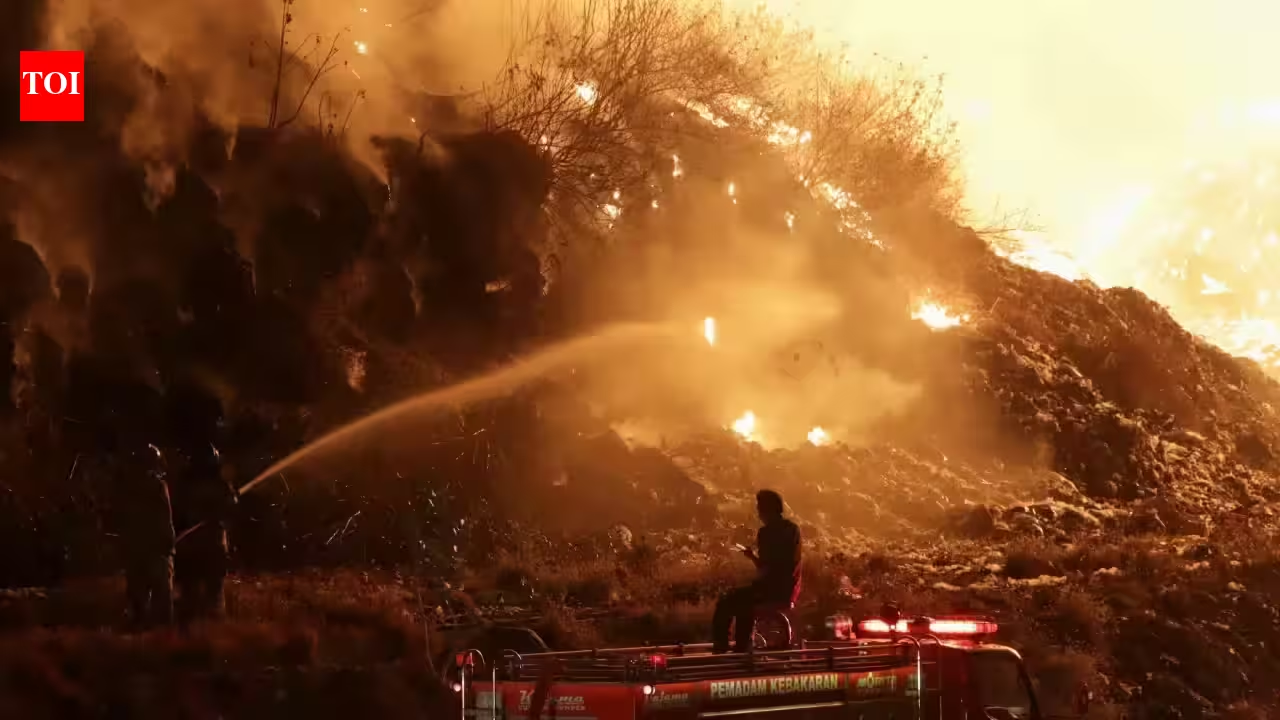
Indonesian President Prabowo Subianto is pushing for stricter laws and zero tolerance for deliberate forest and land fires as the nation confronts its worst wildfire season in 11 years, driven by an intense El Niño pattern.
Indonesian President Prabowo Subianto has called for stricter legislation and severe sanctions against individuals and corporations found responsible for forest and land fires. Speaking during a disaster management meeting, Prabowo characterized deliberate slash-and-burn clearing practices as "ecological terrorism," demanding a zero-tolerance policy for those who ignite the blazes. To address the crisis, the president asked the state secretary and the minister of law to review existing legal penalties and strengthen them. Furthermore, he suggested that the House of Representatives consider formally classifying such offenses as ecological terrorism.
The policy push comes as Indonesia battles its most severe wildfire season in 11 years. Indonesian police have initiated 219 criminal investigations tied to the fires and named 162 suspects, according to police official Mohammad Irhamni. Authorities are also investigating 95 companies, although police have not yet specified the exact number of corporate entities facing criminal allegations. In addition to these measures, Prabowo instructed regional governments to instantly remove exemptions that permit smallholders to use fire for clearing modest plots of land and directed police to aggressively pursue criminal cases against corporate entities violating safety standards.
Authorities report that the primary driver behind the intense fire season is a powerful El Niño pattern, which has brought significantly hotter and drier conditions across the archipelago. The nation's meteorological agency warned that the weather phenomenon could prolong the dry season, thereby escalating the danger of widespread forest and land blazes. The peak of the dry season was anticipated between July and September, with the islands of Borneo and Sumatra suffering some of the most severe impacts.
The environmental and public health toll has been substantial. Thick smoke has blanketed portions of Borneo, heavily reducing visibility and disrupting normal daily routines, while health authorities documented a sharp climb in respiratory illnesses. Reports indicate that over 12.5 million individuals across seven provinces have been exposed to hazardous haze. Furthermore, respiratory cases linked to the smoke more than doubled early in September, and winds have carried the thick smoke across borders, lowering air quality in neighboring Malaysia and Singapore.
Government figures reveal that approximately 202,004 hectares of land were affected by fires between January and July. Data from the Forestry Ministry indicates that roughly 57 percent of that scorched acreage lay within designated forest zones, while 43 percent was located in other regions. Meanwhile, environmental organization YKAN estimated that an additional 600,000 hectares sustained damage from fires in August, which would bring the total affected footprint to roughly 800,000 hectares when combining official data and NGO estimates.
While the current scale of destruction remains below the catastrophic levels observed during Indonesia's major 2015 fire crisis, authorities emphasize that the season is growing increasingly dangerous. The Forestry Ministry noted that the intensity of the ongoing El Niño pattern has outpaced the conditions recorded in 2015, even though the total land area burned remains lower than what was documented during that crisis. As law enforcement continues its investigations into individuals and corporations, the government's legislative push aims to establish a firmer deterrent against destructive land-clearing practices.
Topic coverage
Follow recurring subjects across the WORLD PULSE newsroom.
Topics
Reader interest
Most read
 UKKelsey Parker Welcomes New Baby Named River Following Heartbreaking Stillbirth
 AIOpenAI Discloses New Safety Issues and Outlines Plan for Tracking Incidents
 SportsAsian Games Facing Accommodation Crisis and Weather Disruptions in Nagoya, Japan
More from the newsroom
Latest stories
 UKUK Defence Secretary Wes Streeting Urges Public Preparation for Cyber, Climate and Supply Chain Emergencies
 USAFederal Charges Filed Against Virginia State Senator L. Louise Lucas in Alleged Racketeering Scheme
 WorldRising Islamophobia and the Democratic Response to Attacks on Muslim Candidates
 ScienceGlobal Biodiversity Fund Faces Criticism as Pharmaceutical Contributions Stagnate at $7,000
 TechnologyMemphis City Council Rejects One-Year Data Center Moratorium in Favor of 135-Day Halt
 WorldDiplomatic and Military Developments in the Middle East: Iran, Russia, and Regional Security Updates
 WorldRubio Denounces Ukraine’s Claims of Withdrawn U.S. Support as ‘Scandalous’ Amid Oslo Diplomacy
 USATrump Administration Proposes Tying Federal Transit Funding to Local Birth and Marriage Rates
Research & context
Explore WORLD PULSE reference pages
Use these newsroom indexes to follow related coverage, review publication timelines and explore how WORLD PULSE reporting is organized.
Sources & attribution
The external reports, announcements or publications used to inform this article are listed here for attribution and reader context. A source link does not mean WORLD PULSE independently endorses every claim in that source.
Questions about sourcing, attribution or corrections: contact the newsroom.
