Iran Warns of Wider War as U.S. Weighs Next Steps and Regional Tensions Escalate
World Pulse Editorial — The WORLD PULSE editorial team covers international news, business, technology, AI, science, sport, culture and other subjects of public interest. The desk applies source attribution, editorial checks, context and corrections standards across the publication.
The byline identifies the newsroom author or editorial team responsible for this publication. Where the story is based on external reporting, those sources are identified below.
AI-assisted production may have been used in the drafting workflow. Source verification, attribution and editorial review remain the responsibility of WORLD PULSE.
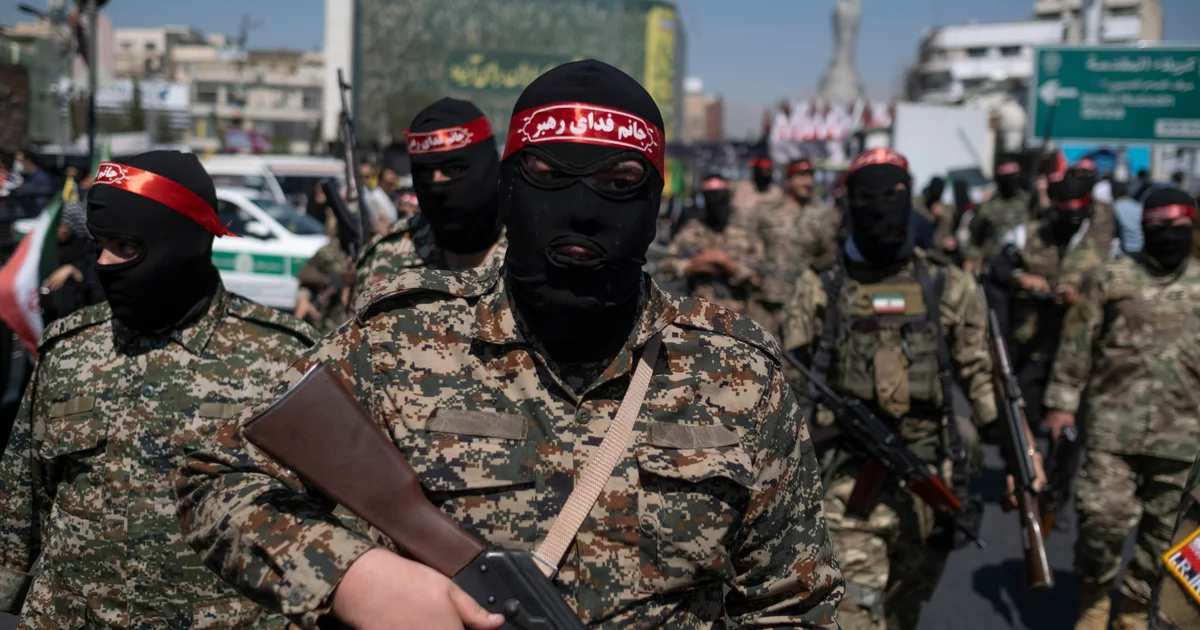
Tehran warns any new U.S. assault will expand the geography of the war with new weapons, while President Trump weighs multiple options and regional fighting intensifies.
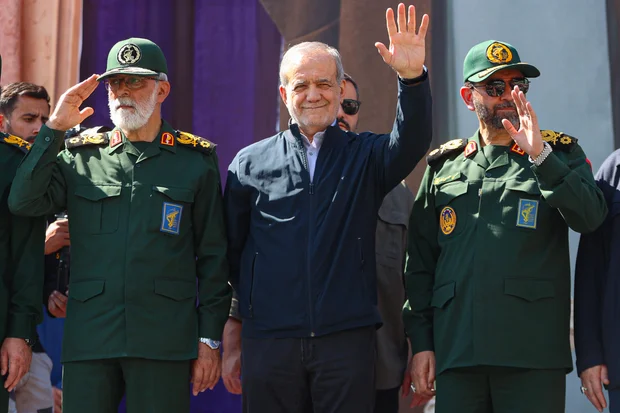
As the nearly seven-month conflict between the United States and Iran continues to send shockwaves across the Middle East, a spokesman for Iran's Islamic Revolutionary Guard Corps issued a stern warning on Sunday. According to reports cited by CBS News, Tehran stated that any new American aggression would be met with unspecified new weapons and an expansion of the conflict's overall geography.
President Donald Trump told Fox News on Sunday that he is currently in "deciding mode" regarding his next steps. The president outlined several options under consideration, including trying to broker a new deal to end the conflict, letting Iran rot economically, or taking more drastic military measures such as "wiping Iran out." Furthermore, Trump indicated he would "probably" be open to meeting with his Iranian counterpart, President Masoud Pezeshkian, on the sidelines of the upcoming United Nations General Assembly in New York.
The broader regional fallout has prompted widespread diplomatic and security responses. U.S. embassies across the Middle East issued security alerts on Sunday, urging American nationals to exercise heightened caution and prepare for potential travel disruptions due to the risk of unforeseen regional escalation. Meanwhile, financial markets reacted to potential diplomatic openings, with Wall Street stocks rising early Monday and oil prices retreating as investors weighed the possibility of high-level talks in New York.
In Yemen, conflict involving the Iran-backed Houthi rebels and a Saudi-backed coalition has intensified dramatically. The leader of the Houthi movement, Abdul Malik al-Houthi, lashed out at Saudi Arabia in a pre-recorded speech aired Monday, demanding an end to Saudi military actions and the nearly decade-long blockade on rebel-held areas. The speech coincided with a meeting between the Houthi negotiating team and United Nations Special Envoy for Yemen Hans Grundberg in Oman's capital, Muscat, where the delegation outlined their demands.
The International Organization for Migration reported that the escalating violence in Yemen has displaced nearly 130,000 people across seven regions, with the figures surging rapidly in recent days. Concurrently, a source in the office of Yemen's Presidential Leadership Council told AFP that the head of the council recently called President Trump to request American support against the Houthis. Sources familiar with the discussions told CBS News that President Trump weighed striking the Houthi movement over the weekend following requests from Saudi Crown Prince Mohammed Bin Salman, but ultimately decided late Saturday night to hold off on immediate military action to avoid expanding the battlefield.
Maritime security incidents have also persisted in vital regional waterways. The United Kingdom Maritime Trade Operations center reported that two tankers were struck in the Strait of Hormuz, with one vessel hit by an unknown projectile, resulting in minor injuries to two crew members, and another tanker struck by debris. Maritime security firms identified one of the affected vessels as a U.K.-flagged tanker that was targeted by a drone while sailing toward the Gulf.
In the aviation sector, Iraq decided to suspend flights operated by Iranian airlines following warnings from U.S. Treasury Secretary Scott Bessent. Bessent warned that global aviation and service providers face severe penalties under American sanctions if they service sanctioned Iranian carriers. Two Iraqi government sources confirmed to AFP that Baghdad would enforce the ban starting Tuesday morning to comply with the U.S. Treasury directives.
Background details emerging from the early days of the conflict also highlight the unexpected severity of initial hostilities. According to multiple military families and U.S. officials who spoke to CBS News, Iran's opening-day missile and drone attacks targeting the U.S. Navy's Middle East headquarters in Bahrain caught authorities by surprise. The scale and consistent duration of the bombardment forced military families residing off-base to shelter through days of incoming strikes before they could be safely evacuated.
Topic coverage
Follow recurring subjects across the WORLD PULSE newsroom.
Topics
Reader interest
Most read
 UKKelsey Parker Welcomes New Baby Named River Following Heartbreaking Stillbirth
 AIOpenAI Discloses New Safety Issues and Outlines Plan for Tracking Incidents
 SportsAsian Games Facing Accommodation Crisis and Weather Disruptions in Nagoya, Japan
More from the newsroom
Latest stories
 UKUK Defence Secretary Wes Streeting Urges Public Preparation for Cyber, Climate and Supply Chain Emergencies
 USAFederal Charges Filed Against Virginia State Senator L. Louise Lucas in Alleged Racketeering Scheme
 WorldRising Islamophobia and the Democratic Response to Attacks on Muslim Candidates
 ScienceGlobal Biodiversity Fund Faces Criticism as Pharmaceutical Contributions Stagnate at $7,000
 TechnologyMemphis City Council Rejects One-Year Data Center Moratorium in Favor of 135-Day Halt
 WorldDiplomatic and Military Developments in the Middle East: Iran, Russia, and Regional Security Updates
 WorldRubio Denounces Ukraine’s Claims of Withdrawn U.S. Support as ‘Scandalous’ Amid Oslo Diplomacy
 USATrump Administration Proposes Tying Federal Transit Funding to Local Birth and Marriage Rates
Research & context
Explore WORLD PULSE reference pages
Use these newsroom indexes to follow related coverage, review publication timelines and explore how WORLD PULSE reporting is organized.
Sources & attribution
The external reports, announcements or publications used to inform this article are listed here for attribution and reader context. A source link does not mean WORLD PULSE independently endorses every claim in that source.
Questions about sourcing, attribution or corrections: contact the newsroom.
