Silicon Valley Shifts to Style: Why Major Tech and AI Firms Are Selling Branded Fashion Lines
World Pulse Editorial — The WORLD PULSE editorial team covers international news, business, technology, AI, science, sport, culture and other subjects of public interest. The desk applies source attribution, editorial checks, context and corrections standards across the publication.
The byline identifies the newsroom author or editorial team responsible for this publication. Where the story is based on external reporting, those sources are identified below.
AI-assisted production may have been used in the drafting workflow. Source verification, attribution and editorial review remain the responsibility of WORLD PULSE.
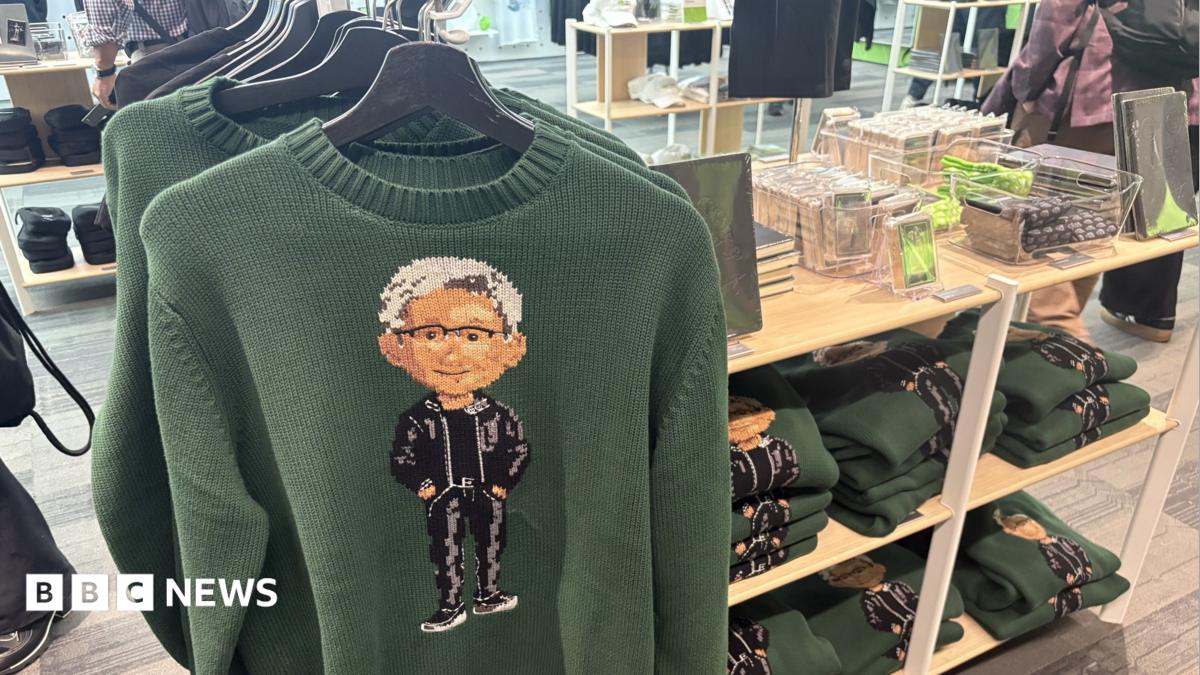
Major technology, artificial intelligence, and defense companies—including Nvidia, OpenAI, Anthropic, and Palantir—are increasingly selling limited-edition fashion lines and branded apparel to passionate consumers.
Leading technology, artificial intelligence, and defense corporations are moving beyond traditional hardware and software to launch their own exclusive fashion and apparel lines. High-profile firms such as microchip giant Nvidia, ChatGPT operator OpenAI, Claude maker Anthropic, and software developer Palantir Technologies have all introduced branded clothing ranges, attracting enthusiastic buyers who view the gear as a symbol of cultural and technological alignment.
According to reporting by BBC Business Reporter Chris Marshall, these apparel collections typically rely on strict exclusivity to build high demand. Nvidia, which has surged in global valuation amidst the ongoing artificial intelligence boom, occasionally sells items such as woollen jumpers, t-shirts, hoodies, and hats via online "drops" or pop-up stores at company conferences. These items, including a $178 woollen jumper featuring a cartoon image of Chief Executive Jensen Huang, routinely sell out rapidly to devoted fans.
Other industry players have adopted similar scarcity strategies. OpenAI generally restricts its branded clothing to employees, though it occasionally opens general sales through its website for brief periods. Anthropic hosted a temporary pop-up coffee shop in Manhattan's West Village, giving away free baseball hats embroidered with the word "thinking" during a one-week promotional window.
Industry observers note that these commercial maneuvers borrow heavily from traditional fashion industry playbooks. Professor Hazel Clark of the Parsons School of Design in New York explains that limiting product availability is a well-established strategy used by brands to elevate overall desirability. While companies like Nvidia, OpenAI, and Anthropic do not require supplementary income streams from retail operations, analysts suggest the clothing lines serve broader strategic purposes in brand promotion and reputation management.
For companies facing public scrutiny, fashion has become a tool for narrative shaping. US software firm Palantir Technologies, which has encountered criticism regarding its work with military and police organizations domestically and internationally, launched its own clothing range last year and has since described itself as a "lifestyle brand." Eliano Younes, Palantir's head of strategic engagement, stated that the store's success and community enthusiasm demonstrate that a lifestyle brand is defined by its values rather than its products. Younes added that customers, investors, and employees across more than 60 countries have purchased the company's apparel, which includes cotton jackets.
Critics, however, argue that stylish merchandise allows controversial firms to steer public perception toward more favorable conversations. Conversely, some defense companies are overtly transparent about their political stances. US defense firm Anduril, a manufacturer of military drones, sells hoodies emblazoned with the phrase "Rebuild the Arsenal," reflecting its advocacy for increased defense spending and domestic manufacturing.
Consumers purchasing the apparel often cite a desire to connect with organizations that have a tangible impact on infrastructure, artificial intelligence, and defense systems. Buyers interviewed by the BBC noted that wearing the gear serves as an expression of personal identity and ideological alignment, comparable to supporting a favorite sports team or professional organization.
The popularity of prominent industry figures also plays a significant role in driving merchandise sales. Nvidia's Jensen Huang routinely draws adoring crowds seeking autographs and selfies, prompting Meta CEO Mark Zuckerberg to describe the 63-year-old executive as "Taylor Swift, but for tech." Professor Gianpaolo Vignali of the Manchester Fashion Institute suggests that technology leaders function as aspirational role models for the public.
Meanwhile, authors and academics studying the tech sector offer broader sociological interpretations. Greg Epstein, author of *Tech Agnostic* and humanist chaplain at Harvard University and the Massachusetts Institute of Technology, describes wearing technology merchandise as a symbolic marker for individuals seeking community and identity within Silicon Valley culture. Despite the deeper cultural analyses, consumers like tech startup founder Natalie Fratto acknowledge that while the trend captures a unique moment in the collective zeitgeist, official merchandise featuring corporate executives is also viewed with a sense of humor.
Topic coverage
Follow recurring subjects across the WORLD PULSE newsroom.
Topics
Developing story
Follow the latest developments
Recent WORLD PULSE coverage with overlapping event terms is grouped here so readers can follow how the story is developing.
Reader interest
Most read
 UKKelsey Parker Welcomes New Baby Named River Following Heartbreaking Stillbirth
 AIOpenAI Discloses New Safety Issues and Outlines Plan for Tracking Incidents
 SportsAsian Games Facing Accommodation Crisis and Weather Disruptions in Nagoya, Japan
More from the newsroom
Latest stories
 UKUK Defence Secretary Wes Streeting Urges Public Preparation for Cyber, Climate and Supply Chain Emergencies
 USAFederal Charges Filed Against Virginia State Senator L. Louise Lucas in Alleged Racketeering Scheme
 WorldRising Islamophobia and the Democratic Response to Attacks on Muslim Candidates
 ScienceGlobal Biodiversity Fund Faces Criticism as Pharmaceutical Contributions Stagnate at $7,000
 TechnologyMemphis City Council Rejects One-Year Data Center Moratorium in Favor of 135-Day Halt
 WorldDiplomatic and Military Developments in the Middle East: Iran, Russia, and Regional Security Updates
 WorldRubio Denounces Ukraine’s Claims of Withdrawn U.S. Support as ‘Scandalous’ Amid Oslo Diplomacy
 USATrump Administration Proposes Tying Federal Transit Funding to Local Birth and Marriage Rates
Research & context
Explore WORLD PULSE reference pages
Use these newsroom indexes to follow related coverage, review publication timelines and explore how WORLD PULSE reporting is organized.
Sources & attribution
The external reports, announcements or publications used to inform this article are listed here for attribution and reader context. A source link does not mean WORLD PULSE independently endorses every claim in that source.
Questions about sourcing, attribution or corrections: contact the newsroom.
