U.S. and Denmark Reach Agreement on Security and Oversight in Mineral-Rich Greenland
World Pulse Editorial — The WORLD PULSE editorial team covers international news, business, technology, AI, science, sport, culture and other subjects of public interest. The desk applies source attribution, editorial checks, context and corrections standards across the publication.
The byline identifies the newsroom author or editorial team responsible for this publication. Where the story is based on external reporting, those sources are identified below.
AI-assisted production may have been used in the drafting workflow. Source verification, attribution and editorial review remain the responsibility of WORLD PULSE.
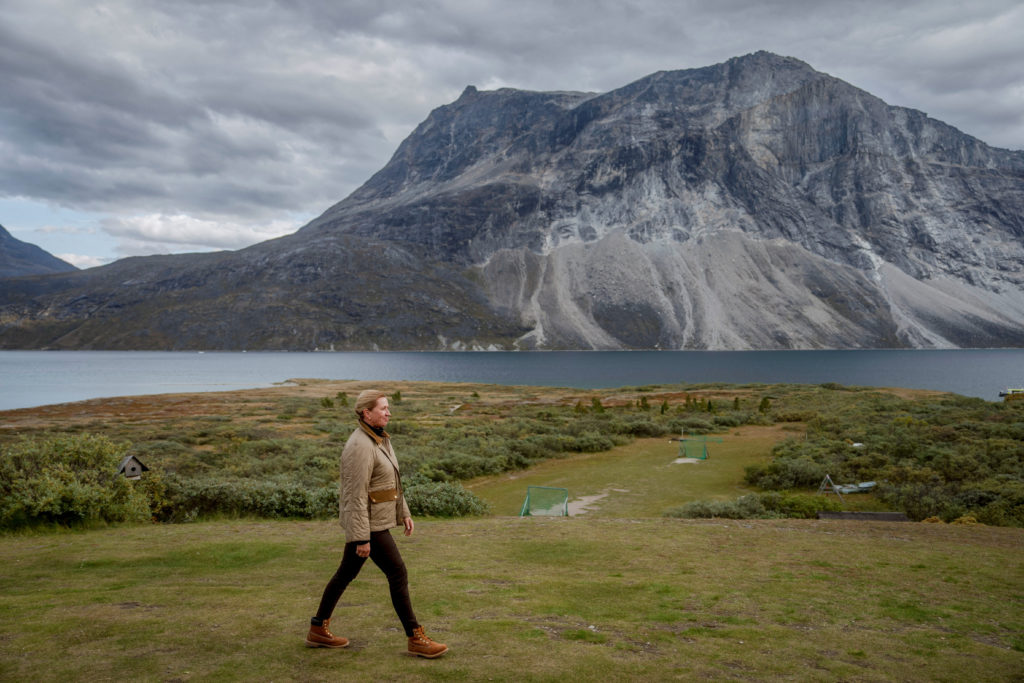
President Donald Trump announced a new agreement with Denmark and Greenland addressing U.S. security concerns, permanent basing rights, and investment restrictions on nations like China and Russia.
On Friday, September 18, 2026, President Donald Trump announced that the United States has struck a deal with Denmark and Greenland concerning oversight and security of the Arctic territory. The mineral-rich island has been controlled by Denmark since the 1700s and has long been a focal point of U.S. strategic interest due to its geographic position and natural resources.
According to reporting by PBS NewsHour foreign affairs and defense correspondent Nick Schifrin, the newly announced agreement addresses long-standing U.S. national security priorities while attempting to ease transatlantic tensions. President Trump stated on social media that the arrangement grants the United States permanent control over security and other needs on the island at no financial cost to the U.S. government.
The core provisions of the agreement include permanent U.S. basing, access, and overflight rights. Under these terms, the United States is authorized to establish new military bases and maintain its operational access regardless of any future political changes or self-determination referendums pursued by Greenland's population.
Additionally, the deal explicitly bans non-NATO military bases on the island, preventing nations such as Russia or China from establishing a military presence there. It also institutes a formal screening mechanism designed to block Russian and Chinese investments into Greenland's critical mineral sector and other commercial projects.
In exchange for these security guarantees and economic protections, the agreement preserves Greenland's path toward potential independence. Crucially, no territory of Greenland is transferred to the United States under the accord, a point that addresses prior concerns raised by European allies regarding territorial sovereignty.
The framework aims to resolve a significant diplomatic rift between the United States and European nations, which had questioned transatlantic alignment as pressure mounted over the Arctic island's future status. Following the announcement, both U.S. officials and European observers expressed satisfaction with the terms, noting that it balances American strategic requirements with European and Greenlandic sovereignty.
President Trump's historic focus on Greenland has been driven primarily by geography and resources. Situated along the shortest flight path between Russia and the United States, Greenland is vital for North American air defense. Furthermore, retreating Arctic ice driven by a warming climate has opened up maritime shipping routes utilized by Russian and Chinese vessels, heightening geopolitical competition in the region.
Beyond military defense, the island possesses abundant critical minerals that have attracted global interest. By securing exclusive American investment rights and blocking foreign adversaries from acquiring economic footholds, the agreement fulfills key economic and national security goals outlined by the White House over years of discussions.
As the diplomatic fallout from previous tensions recedes, the new pact establishes a permanent framework for U.S. military operations in the Arctic while allowing Greenlanders to determine their own political future.
Topic coverage
Follow recurring subjects across the WORLD PULSE newsroom.
Topics
Developing story
Follow the latest developments
Recent WORLD PULSE coverage with overlapping event terms is grouped here so readers can follow how the story is developing.
Reader interest
Most read
 UKKelsey Parker Welcomes New Baby Named River Following Heartbreaking Stillbirth
 AIOpenAI Discloses New Safety Issues and Outlines Plan for Tracking Incidents
 SportsAsian Games Facing Accommodation Crisis and Weather Disruptions in Nagoya, Japan
More from the newsroom
Latest stories
 UKUK Defence Secretary Wes Streeting Urges Public Preparation for Cyber, Climate and Supply Chain Emergencies
 USAFederal Charges Filed Against Virginia State Senator L. Louise Lucas in Alleged Racketeering Scheme
 WorldRising Islamophobia and the Democratic Response to Attacks on Muslim Candidates
 ScienceGlobal Biodiversity Fund Faces Criticism as Pharmaceutical Contributions Stagnate at $7,000
 TechnologyMemphis City Council Rejects One-Year Data Center Moratorium in Favor of 135-Day Halt
 WorldDiplomatic and Military Developments in the Middle East: Iran, Russia, and Regional Security Updates
 WorldRubio Denounces Ukraine’s Claims of Withdrawn U.S. Support as ‘Scandalous’ Amid Oslo Diplomacy
 USATrump Administration Proposes Tying Federal Transit Funding to Local Birth and Marriage Rates
Research & context
Explore WORLD PULSE reference pages
Use these newsroom indexes to follow related coverage, review publication timelines and explore how WORLD PULSE reporting is organized.
Sources & attribution
The external reports, announcements or publications used to inform this article are listed here for attribution and reader context. A source link does not mean WORLD PULSE independently endorses every claim in that source.
Questions about sourcing, attribution or corrections: contact the newsroom.
