Ukraine Launches Largest Drone Attack on Moscow Region, Targeting Major Oil Refinery
World Pulse Editorial — The WORLD PULSE editorial team covers international news, business, technology, AI, science, sport, culture and other subjects of public interest. The desk applies source attribution, editorial checks, context and corrections standards across the publication.
The byline identifies the newsroom author or editorial team responsible for this publication. Where the story is based on external reporting, those sources are identified below.
AI-assisted production may have been used in the drafting workflow. Source verification, attribution and editorial review remain the responsibility of WORLD PULSE.
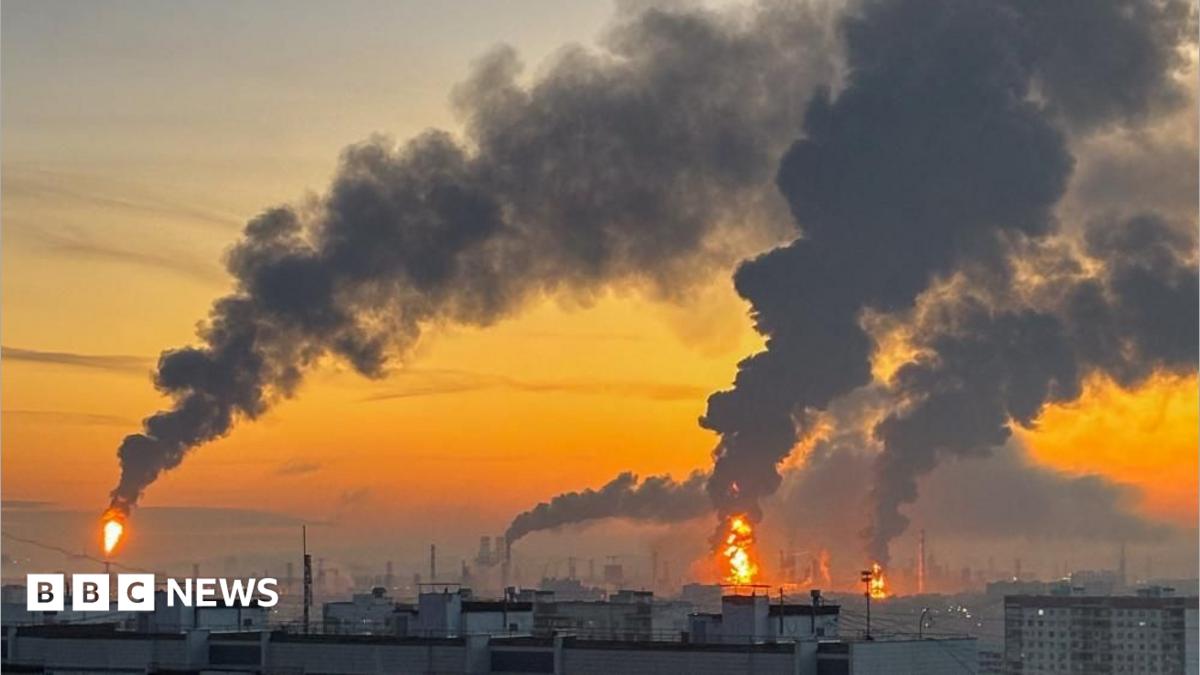
Ukraine launched a massive overnight drone barrage targeting the Moscow region, hitting a key oil refinery and residential areas, while regional officials reported two deaths and multiple injuries.
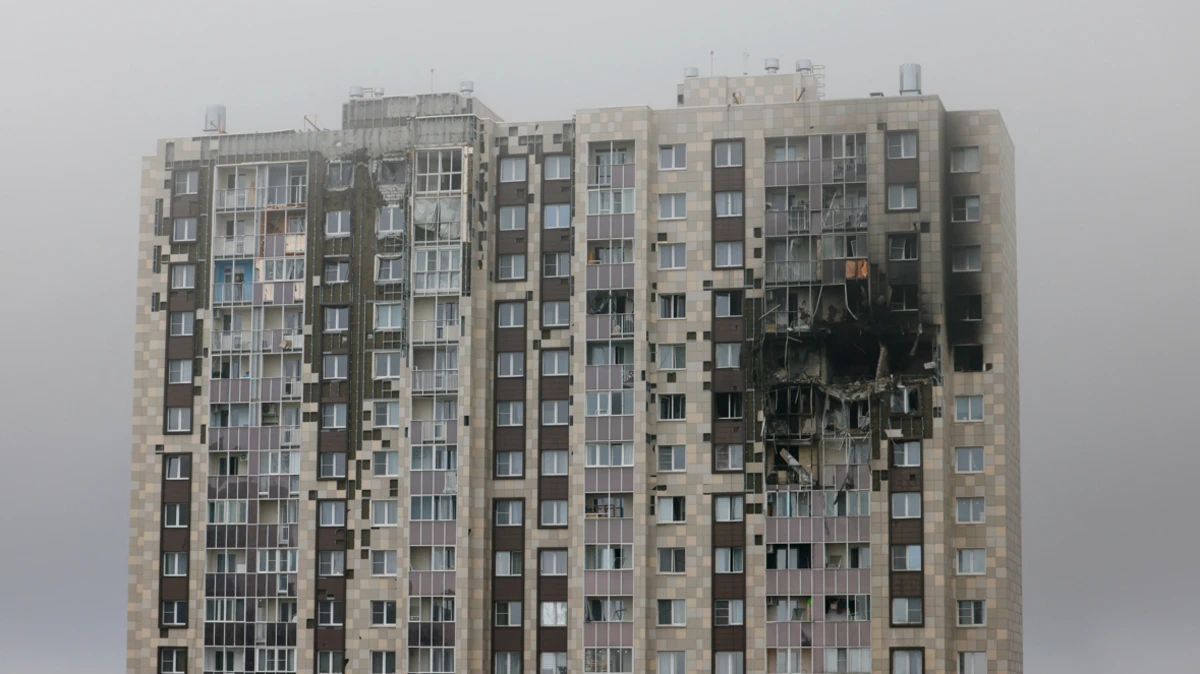
Ukraine has launched what local officials describe as its largest drone attack yet on the Moscow region, sending hundreds of unmanned aerial vehicles toward the Russian capital in an overnight strike that hit a major oil refinery and residential buildings. Moscow Mayor Sergei Sobyanin stated that 450 drones heading for the capital were shot down during the barrage, characterizing the event as the most massive attack of its kind. According to the regional governor, at least two people were killed and 20 others were injured.
Ukrainian President Volodymyr Zelensky confirmed that Kyiv successfully targeted a key Russian oil facility and a logistics site in the region using drones and missiles. Zelensky described the targeted infrastructure as representing billions of dollars that sustain Russia's military operations. Ukrainian military officials reported that three key units were damaged at the oil refinery, a facility that supplies more than a third of the Moscow region's fuel, with portions of its petrol, diesel, and aviation fuel supporting the Russian military.
As verified by BBC-checked social media videos, explosions lit up the night skies above Moscow alongside a burning warehouse. Regional head Andrei Vorobyev reported that a 44-year-old woman was killed in Sofyino after a drone struck a three-storey residential building, injuring five others including two children. An elderly man also died in the Orekhovo-Zuevo district when a private house was hit.
Mayor Sobyanin suggested that the large-scale attack was an attempt to disrupt Russia's parliamentary election, which was taking place on its third day. The vote is tightly controlled by the Kremlin and has faced criticism from observers who view it as neither free, fair, nor transparent. Russian state media also reported that an election official was killed in a separate drone attack on a bus in a Moscow-controlled part of Kherson, citing the head of Russia's election commission.
The aerial strikes caused temporary disruptions in transportation. Moscow's Sheremetyevo airport warned passengers of overnight restrictions, while Vnukovo airport temporarily halted all arrivals and departures. Although restrictions at both airports were lifted by Sunday morning, operators warned that some flights could still face delays.
The overnight barrage on Moscow coincided with intensified Russian strikes against Ukrainian regions. Ukrainian officials reported that nine people, including three children, were killed in Russian attacks across the Kyiv and Sumy regions on Saturday. Regional head Tymur Tkachenko stated that a mother and her two small children were killed in Fastiv, Kyiv, while a child injured in a separate attack in Vyshhorod later died in the hospital. In the north-eastern Sumy region, four people were killed when a Russian drone struck their car, according to local official Oleh Hryhorov. President Zelensky also reported that a Russian drone strike on a monastery in the Kherson region killed one member of the clergy and injured four others.
Both nations have continued targeting energy and transport infrastructure despite recent diplomatic claims. The ongoing escalations follow comments by US President Donald Trump asserting that both sides had agreed to halt attacks on energy infrastructure. Meanwhile, the United States enacted a sanctions bill granting presidential powers to impose 100% tariffs on major purchasers of Russian oil and gas, such as China and India, aiming to target the Russian economy.
Full-scale hostilities between Russia and Ukraine began when Russian President Vladimir Putin launched an invasion in February 2022. Since then, both countries have frequently engaged in cross-border drone and missile campaigns targeting logistics hubs, transport networks, and energy-generating facilities.
Reference resource
Follow the wider WORLD PULSE timeline and related reporting for this continuing story.
Russia-Ukraine War Coverage & TimelineTopic coverage
Follow recurring subjects across the WORLD PULSE newsroom.
Topics
Reader interest
Most read
 UKKelsey Parker Welcomes New Baby Named River Following Heartbreaking Stillbirth
 AIOpenAI Discloses New Safety Issues and Outlines Plan for Tracking Incidents
 SportsAsian Games Facing Accommodation Crisis and Weather Disruptions in Nagoya, Japan
More from the newsroom
Latest stories
 UKUK Defence Secretary Wes Streeting Urges Public Preparation for Cyber, Climate and Supply Chain Emergencies
 USAFederal Charges Filed Against Virginia State Senator L. Louise Lucas in Alleged Racketeering Scheme
 WorldRising Islamophobia and the Democratic Response to Attacks on Muslim Candidates
 ScienceGlobal Biodiversity Fund Faces Criticism as Pharmaceutical Contributions Stagnate at $7,000
 TechnologyMemphis City Council Rejects One-Year Data Center Moratorium in Favor of 135-Day Halt
 WorldDiplomatic and Military Developments in the Middle East: Iran, Russia, and Regional Security Updates
 WorldRubio Denounces Ukraine’s Claims of Withdrawn U.S. Support as ‘Scandalous’ Amid Oslo Diplomacy
 USATrump Administration Proposes Tying Federal Transit Funding to Local Birth and Marriage Rates
Research & context
Explore WORLD PULSE reference pages
Use these newsroom indexes to follow related coverage, review publication timelines and explore how WORLD PULSE reporting is organized.
Sources & attribution
The external reports, announcements or publications used to inform this article are listed here for attribution and reader context. A source link does not mean WORLD PULSE independently endorses every claim in that source.
Questions about sourcing, attribution or corrections: contact the newsroom.
