UN Report Details Widespread Conflict-Related Sexual Violence in Ukraine War
World Pulse Editorial — The WORLD PULSE editorial team covers international news, business, technology, AI, science, sport, culture and other subjects of public interest. The desk applies source attribution, editorial checks, context and corrections standards across the publication.
The byline identifies the newsroom author or editorial team responsible for this publication. Where the story is based on external reporting, those sources are identified below.
AI-assisted production may have been used in the drafting workflow. Source verification, attribution and editorial review remain the responsibility of WORLD PULSE.
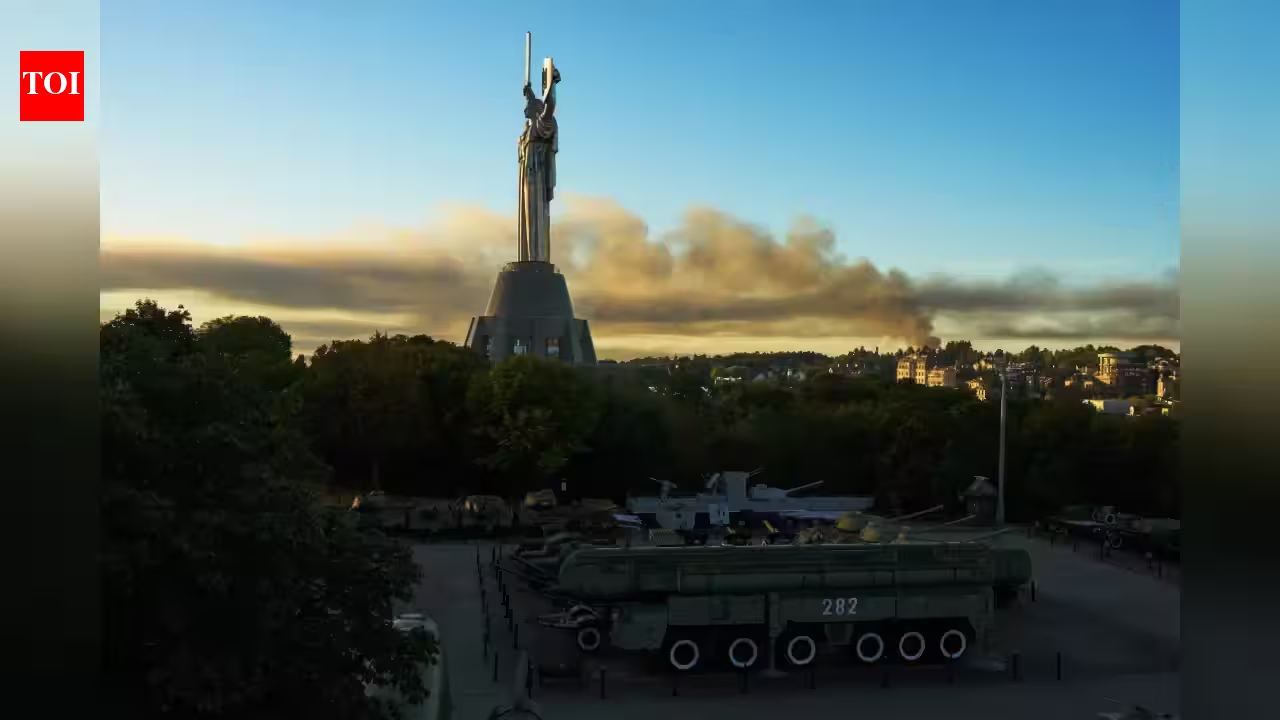
A United Nations human rights report has documented over 1,000 verified cases of conflict-related sexual violence during the war in Ukraine, attributing the vast majority to Russian forces while noting a smaller number of violations linked to Ukrainian authorities.
A comprehensive United Nations human rights report released on Friday has documented widespread conflict-related sexual violence targeting civilians and prisoners of war throughout the ongoing conflict in Ukraine. The findings highlight severe abuses committed since Russia launched its full-scale invasion in February 2022 up to July 2026.
According to the UN human rights office, investigators verified 1,004 cases of conflict-related sexual violence during this period. The report attributes 89% of these documented violations to the Russian side, including members of its armed forces, prison service, and security agencies. Meanwhile, 11% of the incidents were linked to Ukrainian authorities, including personnel within the Ukrainian armed forces.
The documented violations span a range of severe abuses. The UN report details instances of gang rape, forced rape, genital mutilation, and the use of electric shocks applied to men's genitals with a Soviet-era field telephone known as a "tapik." These abuses were frequently recorded in occupied areas of Ukraine as well as inside Russia across various stages of captivity, such as capture, transfer, interrogation, and detention.
UN officials cautioned that the verified statistics do not reflect the full scope of the crisis, as conflict-related sexual violence generally remains significantly under-reported. Furthermore, the report notes that Russia has refused to grant the Office of the UN High Commissioner for Human Rights (OHCHR) access to occupied Ukrainian territories, prisoners of war, and civilian detainees, suggesting the actual scale of violations is likely much higher.
While the majority of victims affected in Russian-occupied regions included women and children, the broader demographic trend in detention facilities skewed heavily toward men. Danielle Bell, head of the UN Human Rights Monitoring Mission in Ukraine, emphasized that sexual violence in conflict is frequently misunderstood as primarily affecting women and girls. In the context of the Ukraine war, Bell noted, the majority of survivors are men, underscoring that different survivor groups require distinct recovery approaches.
The report also examined violations involving Ukrainian authorities. In government-controlled territory, nearly half of the abuses attributed to Ukrainian personnel against Russian and third-country prisoners of war involved threats of sexual violence and beatings directed at the genitals. However, OHCHR confirmed it did not document any instances of rape of Russian prisoners of war by Ukrainian forces. These reported incidents occurred across 10 official detention facilities and 55 unofficial or transit locations.
International and national responses to the findings varied significantly. Ukraine's foreign ministry welcomed the release of the report, stating it demonstrated the scale of human rights violations perpetrated by Russia alongside ongoing measures by Kyiv to prevent such acts and compensate victims. The ministry's statement, however, did not directly address the findings concerning abuses committed by Ukrainian forces.
The UN report observed that Ukraine has taken some preventative steps and cooperated with OHCHR requests, though accountability efforts remain limited. In stark contrast, the report found that Russia has failed to take adequate steps to prevent, investigate, or prosecute sexual violence committed by its personnel, and has refused to engage with OHCHR information requests. The Russian permanent mission in Geneva declined to comment on the report's conclusions.
Expressing profound concern over the findings, UN High Commissioner for Human Rights Volker Türk stated that he is deeply alarmed by the prevalence of these acts. He added that he fears such abuses are almost certainly continuing amid the continuous violence observed daily across Ukraine.
Reference resource
Follow the wider WORLD PULSE timeline and related reporting for this continuing story.
Russia-Ukraine War Coverage & TimelineTopic coverage
Follow recurring subjects across the WORLD PULSE newsroom.
Topics
Reader interest
Most read
 UKKelsey Parker Welcomes New Baby Named River Following Heartbreaking Stillbirth
 AIOpenAI Discloses New Safety Issues and Outlines Plan for Tracking Incidents
 SportsAsian Games Facing Accommodation Crisis and Weather Disruptions in Nagoya, Japan
More from the newsroom
Latest stories
 UKUK Defence Secretary Wes Streeting Urges Public Preparation for Cyber, Climate and Supply Chain Emergencies
 USAFederal Charges Filed Against Virginia State Senator L. Louise Lucas in Alleged Racketeering Scheme
 WorldRising Islamophobia and the Democratic Response to Attacks on Muslim Candidates
 ScienceGlobal Biodiversity Fund Faces Criticism as Pharmaceutical Contributions Stagnate at $7,000
 TechnologyMemphis City Council Rejects One-Year Data Center Moratorium in Favor of 135-Day Halt
 WorldDiplomatic and Military Developments in the Middle East: Iran, Russia, and Regional Security Updates
 WorldRubio Denounces Ukraine’s Claims of Withdrawn U.S. Support as ‘Scandalous’ Amid Oslo Diplomacy
 USATrump Administration Proposes Tying Federal Transit Funding to Local Birth and Marriage Rates
Research & context
Explore WORLD PULSE reference pages
Use these newsroom indexes to follow related coverage, review publication timelines and explore how WORLD PULSE reporting is organized.
Sources & attribution
The external reports, announcements or publications used to inform this article are listed here for attribution and reader context. A source link does not mean WORLD PULSE independently endorses every claim in that source.
Questions about sourcing, attribution or corrections: contact the newsroom.
